
Surah Yaseen (Yasin) – Full Arabic, Urdu & English Translation + PDF
Surah Yaseen (سورۃ یٰس), the 36th chapter of the Holy Quran, is widely known as the “Heart of the Quran.” On this page you can read all 83 verses in Arabic alongside Urdu and English translation and transliteration, listen to the full audio, and download a full PDF for offline reading. Faiz e Islam.
Surah Yaseen PDF Download
Read Surah Yaseen Wird e Khas and Download PDF
Surah Yasin Overview
| Yaseen Surah Ayats | Surah Yasin Words | Sure Yaseen Letter | Surah e Yasin Ruku |
| 83 | 773 | 3000 | 5 |
Listen Surah Yasin Online
Color Coded Tajweed Rules

Surah Yaseen Read Online
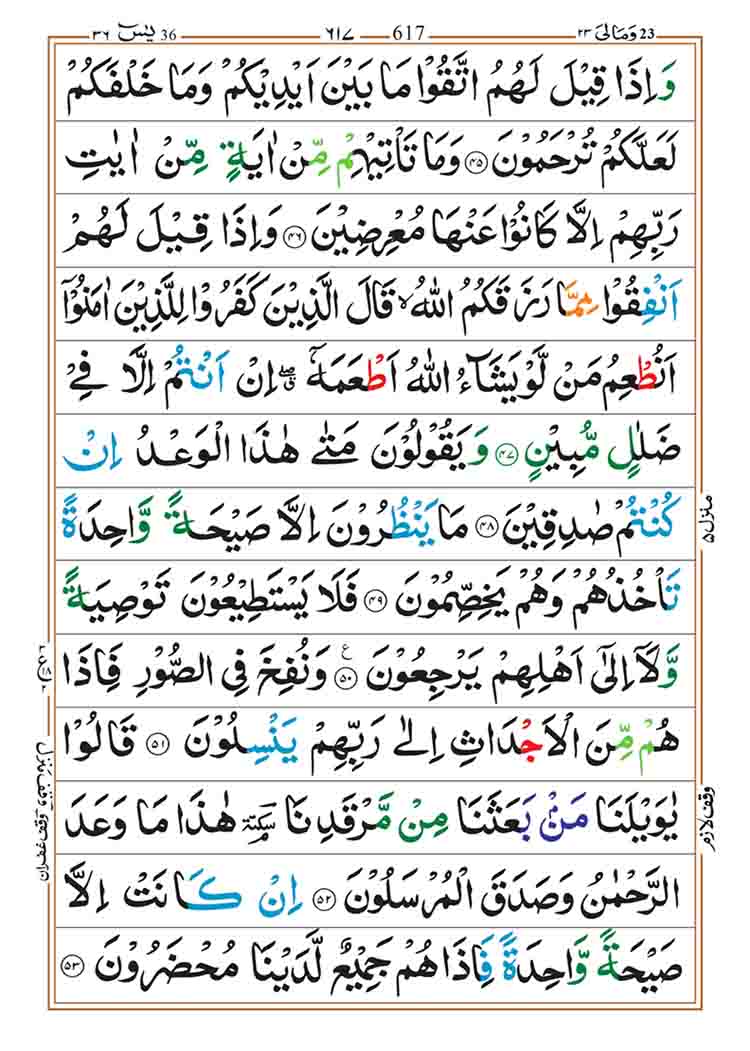
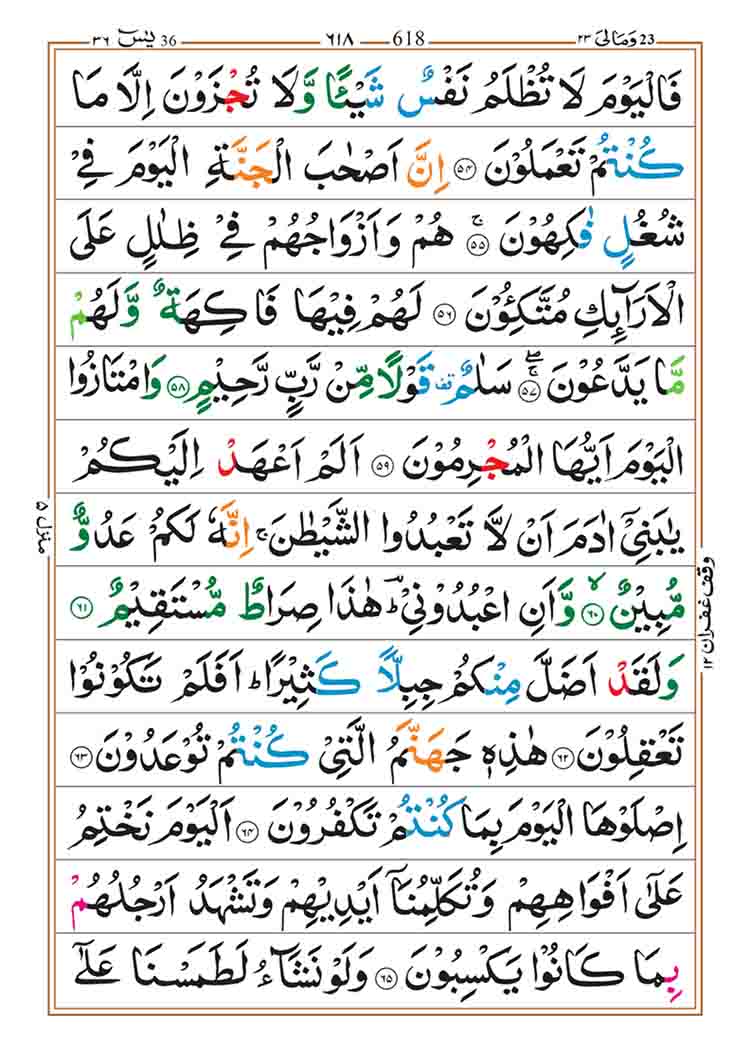
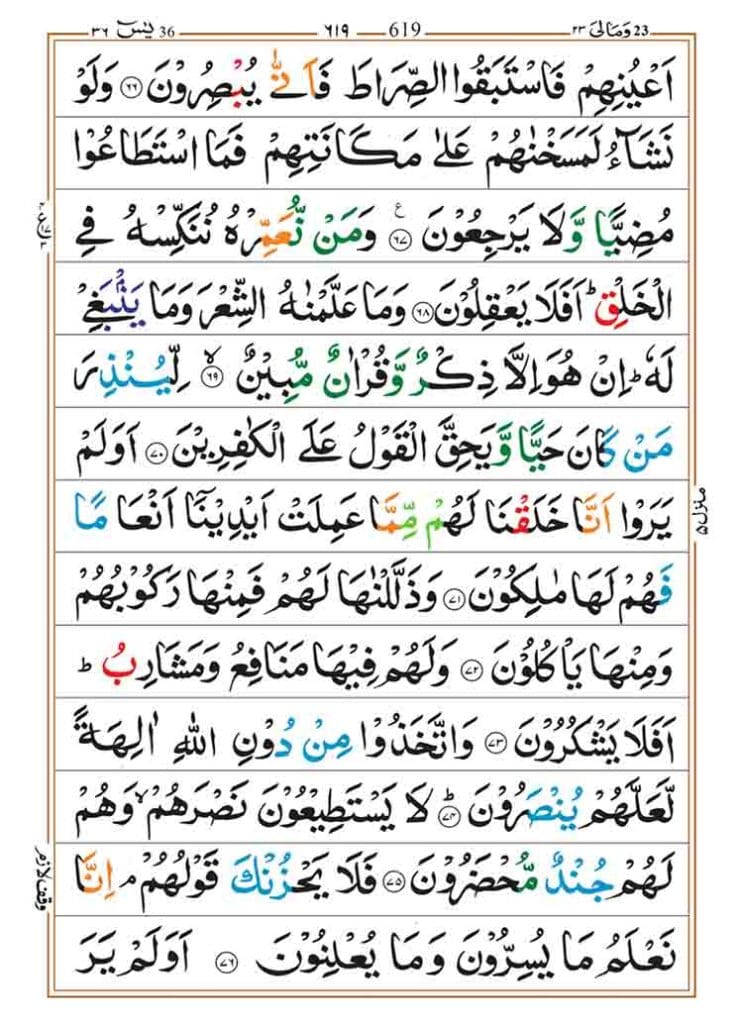
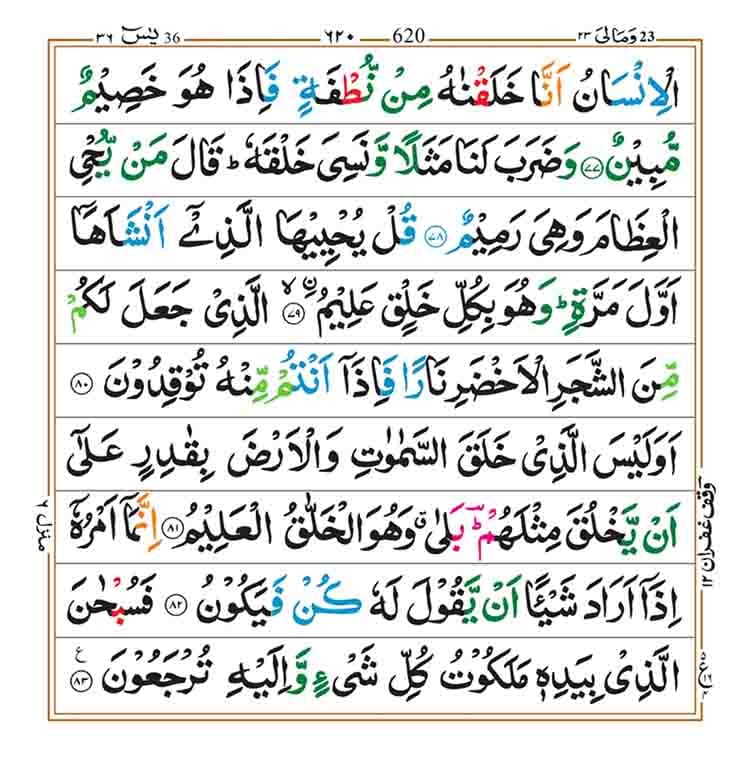
Written by Muhammad Mobushir
Founder & Islamic Content Writer | Faiz e Islam
Assalamu Alaikum. I have written this detailed guide on Surah Yaseen with sincerity and care. All references are taken from authentic sources of Quran and Sunnah. My intention is to make the beautiful message of the Quran easy to understand and implement in daily life for Muslims around the world.
Surah Yaseen (سورۃ یٰس) – Full 83 Verses Arabic + Transliteration + English + Urdu Translation
Surah Yasin (سورۃ یٰس) — Full 83 Verses
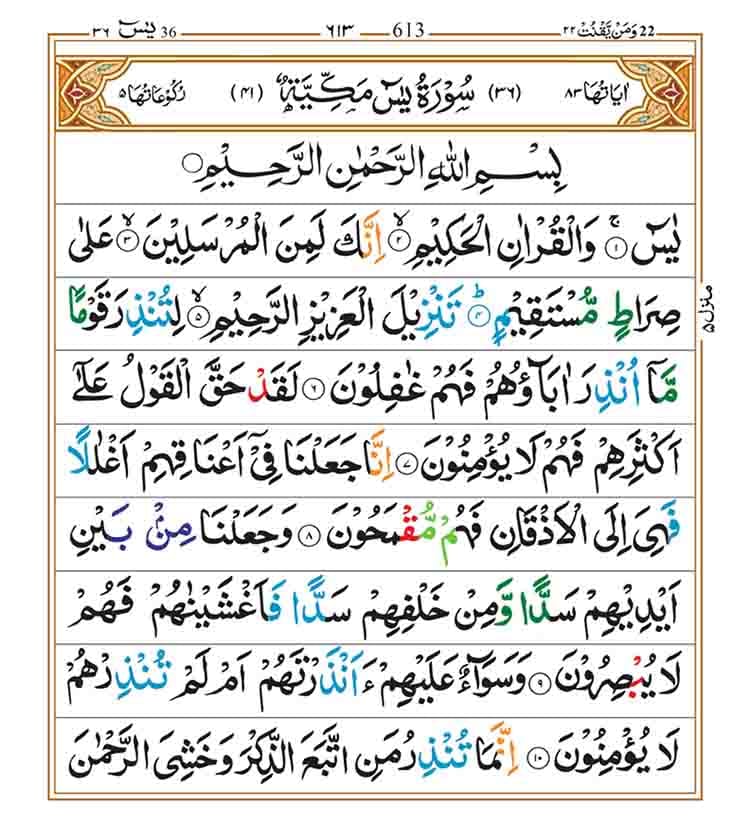
Ayah 1
Arabic: يٰسٓ
Transliteration: Yā Sīn.
English: Yaseen.
Urdu: یٰسٓ
Ayah 2
Arabic: وَالْقُرْآنِ الْحَكِيمِ
Transliteration: Wal-Qur’ānil-ḥakīm.
English: By the wise Quran.
Urdu: قسم ہے حکمت والے قرآن کی۔
Ayah 3
Arabic: إِنَّكَ لَمِنَ الْمُرْسَلِينَ
Transliteration: Innaka laminal-mursalīn.
English: Indeed you, [O Muhammad], are from among the messengers.
Urdu: بیشک آپ رسولوں میں سے ہیں۔
Ayah 4
Arabic: عَلَىٰ صِرَاطٍ مُّسْتَقِيمٍ
Transliteration: ʿAlā ṣirāṭim-mustaqīm.
English: On a straight path.
Urdu: سیدھے راستے پر۔
Ayah 5
Arabic: تَنزِيلَ الْعَزِيزِ الرَّحِيمِ
Transliteration: Tanzīlal-ʿazīzir-raḥīm.
English: [It is] a revelation of the Exalted in Might, the Merciful.
Urdu: یہ زبردست، نہایت رحم والے (اللہ) کی نازل کردہ کتاب ہے۔
Ayah 6
Arabic: لِتُنذِرَ قَوْمًا مَّا أُنذِرَ آبَاؤُهُمْ فَهُمْ غَافِلُونَ
Transliteration: Li-tundhira qawmam mā undhira ābā’uhum fa-hum ghāfilūn.
English: That you may warn a people whose forefathers were not warned, so they are unaware.
Urdu: تاکہ آپ اس قوم کو ڈرائیں جن کے باپ دادا کو نہیں ڈرایا گیا، سو وہ غافل ہیں۔
Ayah 7
Arabic: لَقَدْ حَقَّ الْقَوْلُ عَلَىٰ أَكْثَرِهِمْ فَهُمْ لَا يُؤْمِنُونَ
Transliteration: Laqad ḥaqqal-qawlu ʿalā aktharihim fa-hum lā yu’minūn.
English: Already the word has come into effect upon most of them, so they will not believe.
Urdu: بیشک ان میں سے اکثر پر بات ثابت ہو چکی ہے سو وہ ایمان نہیں لائیں گے۔
Ayah 8
Arabic: إِنَّا جَعَلْنَا فِي أَعْنَاقِهِمْ أَغْلَالًا فَهِيَ إِلَى الْأَذْقَانِ فَهُم مُّقْمَحُونَ
Transliteration: Innā jaʿalnā fī aʿnāqihim aghlālan fa-hiya ilal-adhqāni fa-hum muqmaḥūn.
English: Indeed, We have put shackles on their necks, reaching to their chins, so they are forced to keep their heads raised.
Urdu: بیشک ہم نے ان کی گردنوں میں طوق ڈال دیے ہیں جو ٹھوڑیوں تک ہیں، سو ان کے سر اوپر کو اٹھے ہوئے ہیں۔
Ayah 9
Arabic: وَجَعَلْنَا مِن بَيْنِ أَيْدِيهِمْ سَدًّا وَمِنْ خَلْفِهِمْ سَدًّا فَأَغْشَيْنَاهُمْ فَهُمْ لَا يُبْصِرُونَ
Transliteration: Wa jaʿalnā mim bayni aydīhim saddan wa min khalfihim saddan fa-aghshaynāhum fa-hum lā yubṣirūn.
English: And We have put a barrier in front of them and a barrier behind them, and We have covered them, so they do not see.
Urdu: اور ہم نے ان کے آگے ایک دیوار اور پیچھے ایک دیوار بنا دی ہے اور انہیں ڈھانپ دیا ہے، سو وہ نہیں دیکھتے۔
Ayah 10
Arabic: وَسَوَاءٌ عَلَيْهِمْ أَأَنذَرْتَهُمْ أَمْ لَمْ تُنذِرْهُمْ لَا يُؤْمِنُونَ
Transliteration: Wa sawā’un ʿalayhim a-andhartahum am lam tundhirhum lā yu’minūn.
English: And it is all the same for them whether you warn them or do not warn them — they will not believe.
Urdu: اور ان کے لیے برابر ہے، چاہے آپ انہیں ڈرائیں یا نہ ڈرائیں، وہ ایمان نہیں لائیں گے۔
Ayah 11
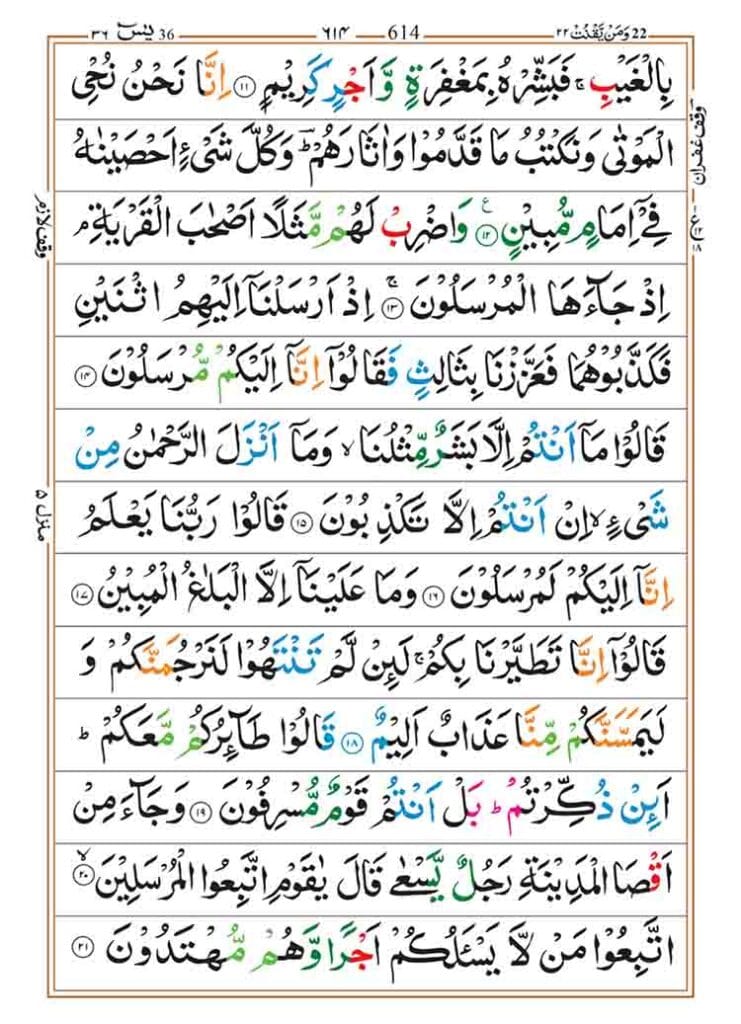
Arabic: إِنَّمَا تُنذِرُ مَنِ اتَّبَعَ الذِّكْرَ وَخَشِيَ الرَّحْمَٰنَ بِالْغَيْبِ ۖ فَبَشِّرْهُ بِمَغْفِرَةٍ وَأَجْرٍ كَرِيمٍ
Transliteration: Innamā tundhiru manittabaʿadh-dhikra wa khashiyar-raḥmāna bil-ghaybi fa-bashshirhu bimaghfiratin wa ajrin karīm.
English: You can only warn one who follows the Reminder and fears the Most Merciful unseen. So give him good tidings of forgiveness and a noble reward.
Urdu: آپ تو صرف اسے ڈراتے ہیں جو نصیحت کی پیروی کرے اور رحمٰن سے بن دیکھے ڈرے، سو اسے بخشش اور عزت والے اجر کی خوشخبری دے دیں۔
Ayah 12
Arabic: إِنَّا نَحْنُ نُحْيِي الْمَوْتَىٰ وَنَكْتُبُ مَا قَدَّمُوا وَآثَارَهُمْ ۚ وَكُلَّ شَيْءٍ أَحْصَيْنَاهُ فِي إِمَامٍ مُّبِينٍ
Transliteration: Innā naḥnu nuḥyil-mawtā wa naktubu mā qaddamū wa āthārahum wa kulla shay’in aḥṣaynāhu fī imāmim-mubīn.
English: Indeed, it is We who bring the dead to life and record what they have put forward and what they left behind. And all things We have enumerated in a clear register.
Urdu: بیشک ہم ہی مردوں کو زندہ کرتے ہیں اور جو وہ آگے بھیج چکے اور جو نشانیاں چھوڑ گئے، ہم انہیں لکھتے ہیں، اور ہم نے ہر چیز کو ایک واضح کتاب میں شمار کر رکھا ہے۔
Ayah 13
Arabic: وَاضْرِبْ لَهُم مَّثَلًا أَصْحَابَ الْقَرْيَةِ إِذْ جَاءَهَا الْمُرْسَلُونَ
Transliteration: Waḍrib lahum mathalan aṣḥābal-qaryati idh jā’ahal-mursalūn.
English: And present to them an example: the people of the city, when the messengers came to it.
Urdu: اور ان کے سامنے اس بستی والوں کی مثال بیان کریں جب اس میں رسول آئے۔
Ayah 14
Arabic: إِذْ أَرْسَلْنَا إِلَيْهِمُ اثْنَيْنِ فَكَذَّبُوهُمَا فَعَزَّزْنَا بِثَالِثٍ فَقَالُوا إِنَّا إِلَيْكُم مُّرْسَلُونَ
Transliteration: Idh arsalnā ilayhimuthnayni fa kadhdhabūhumā fa ʿazzaznā bithālithin fa qālū innā ilaykum mursalūn.
English: When We sent to them two but they denied them, so We strengthened them with a third, and they said, “Indeed, we are messengers to you.”
Urdu: جب ہم نے ان کی طرف دو رسول بھیجے تو انہوں نے دونوں کو جھٹلا دیا، پھر ہم نے تیسرے سے مدد کی، تو انہوں نے کہا: بیشک ہم تمہاری طرف بھیجے گئے ہیں۔
Ayah 15
Arabic: قَالُوا مَا أَنتُمْ إِلَّا بَشَرٌ مِّثْلُنَا وَمَا أَنزَلَ الرَّحْمَٰنُ مِن شَيْءٍ إِنْ أَنتُمْ إِلَّا تَكْذِبُونَ
Transliteration: Qālū mā antum illā basharum mithlunā wa mā anzalar-raḥmānu min shay’in in antum illā takdhibūn.
English: They said, “You are not but human beings like us, and the Most Merciful has not sent down anything. You are only telling lies.”
Urdu: انہوں نے کہا: تم تو ہمارے ہی جیسے انسان ہو، اور رحمٰن نے کچھ نازل نہیں کیا، تم تو بس جھوٹ بولتے ہو۔
Ayah 16
Arabic: قَالُوا رَبُّنَا يَعْلَمُ إِنَّا إِلَيْكُمْ لَمُرْسَلُونَ
Transliteration: Qālū rabbunā yaʿlamu innā ilaykum lamursalūn.
English: They said, “Our Lord knows that we are messengers to you.”
Urdu: انہوں نے کہا: ہمارا رب جانتا ہے کہ بیشک ہم تمہاری طرف ضرور بھیجے گئے ہیں۔
Ayah 17
Arabic: وَمَا عَلَيْنَا إِلَّا الْبَلَاغُ الْمُبِينُ
Transliteration: Wa mā ʿalaynā illal-balāghul-mubīn.
English: And we are responsible only for clear notification.
Urdu: اور ہمارے ذمے تو صرف واضح طور پر پیغام پہنچا دینا ہے۔
Ayah 18
Arabic: قَالُوا إِنَّا تَطَيَّرْنَا بِكُمْ ۖ لَئِن لَّمْ تَنتَهُوا لَنَرْجُمَنَّكُمْ وَلَيَمَسَّنَّكُم مِّنَّا عَذَابٌ أَلِيمٌ
Transliteration: Qālū innā taṭayyarnā bikum la-in lam tantahū lanarjumannakum wa layamassannakum minnā ʿadhābun alīm.
English: They said, “Indeed, we consider you a bad omen. If you do not desist, we will surely stone you, and you will surely receive from us a painful punishment.”
Urdu: انہوں نے کہا: بیشک ہم نے تم میں بدشگونی پائی ہے، اگر تم باز نہ آئے تو ہم ضرور تمہیں سنگسار کر دیں گے اور تمہیں ہماری طرف سے دردناک عذاب پہنچے گا۔
Ayah 19
Arabic: قَالُوا طَائِرُكُم مَّعَكُمْ ۖ أَئِن ذُكِّرْتُم ۚ بَلْ أَنتُمْ قَوْمٌ مُّسْرِفُونَ
Transliteration: Qālū ṭā’irukum maʿakum a-in dhukkirtum bal antum qawmum musrifūn.
English: They said, “Your omen is with yourselves. Is it because you were reminded? Rather, you are a transgressing people.”
Urdu: انہوں نے کہا: تمہاری بدشگونی تو تمہارے ساتھ ہی ہے، کیا اس پر کہ تمہیں نصیحت کی گئی؟ بلکہ تم حد سے بڑھنے والے لوگ ہو۔
Ayah 20
Arabic: وَجَاءَ مِنْ أَقْصَى الْمَدِينَةِ رَجُلٌ يَسْعَىٰ قَالَ يَا قَوْمِ اتَّبِعُوا الْمُرْسَلِينَ
Transliteration: Wa jā’a min aqṣal-madīnati rajulun yasʿā qāla yā qawmit-tabiʿul-mursalīn.
English: And there came a man, running, from the farthest end of the city. He said, “O my people, follow the messengers.”
Urdu: اور شہر کے پرلے کنارے سے ایک شخص دوڑتا ہوا آیا، کہنے لگا: اے میری قوم! رسولوں کی پیروی کرو۔
Ayah 21
Arabic: اتَّبِعُوا مَن لَّا يَسْأَلُكُمْ أَجْرًا وَهُم مُّهْتَدُونَ
Transliteration: Ittabiʿū man lā yas’alukum ajran wa hum muhtadūn.
English: Follow those who ask of you no payment, and they are [rightly] guided.
Urdu: ایسے لوگوں کی پیروی کرو جو تم سے کوئی اجر نہیں مانگتے اور وہ ہدایت یافتہ ہیں۔
Ayah 22
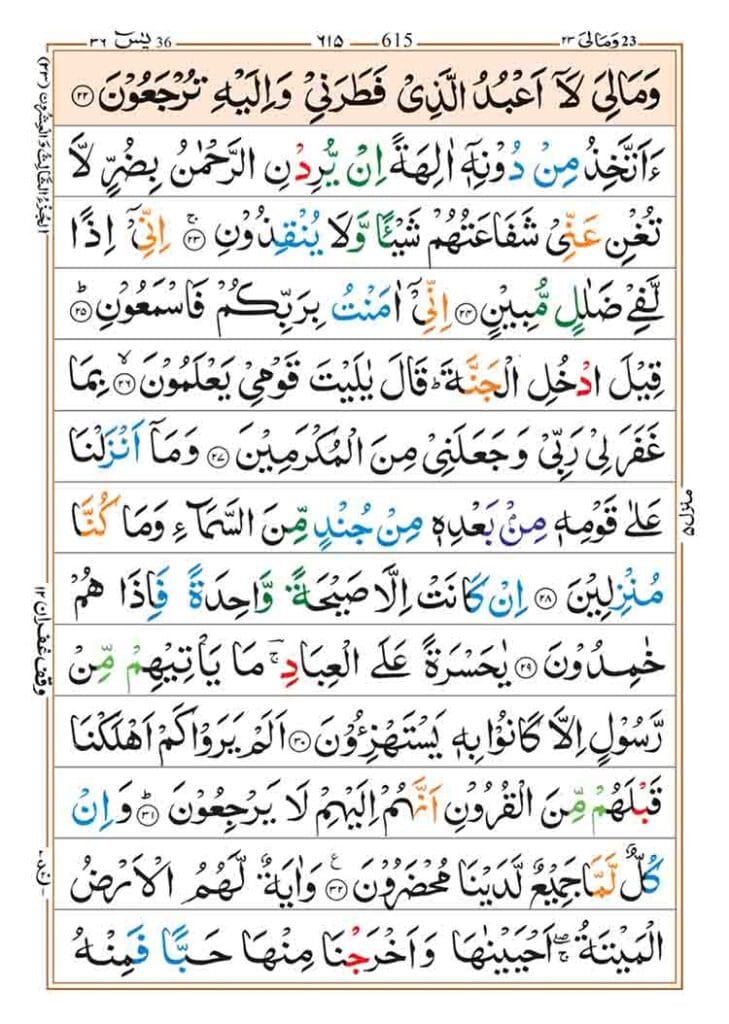
Arabic: وَمَا لِيَ لَا أَعْبُدُ الَّذِي فَطَرَنِي وَإِلَيْهِ تُرْجَعُونَ
Transliteration: Wa mā liya lā aʿbudul-ladhī faṭaranī wa ilayhi turjaʿūn.
English: And why should I not worship He who created me and to whom you will be returned?
Urdu: اور مجھے کیا ہوا کہ میں اس کی عبادت نہ کروں جس نے مجھے پیدا کیا اور جس کی طرف تم سب کو لوٹایا جائے گا؟
Ayah 23
Arabic: أَأَتَّخِذُ مِن دُونِهِ آلِهَةً إِن يُرِدْنِ الرَّحْمَٰنُ بِضُرٍّ لَّا تُغْنِ عَنِّي شَفَاعَتُهُمْ شَيْئًا وَلَا يُنقِذُونِ
Transliteration: A-attakhidhu min dūnihi ālihatan in yuridnir-raḥmānu biḍurrin lā tughni ʿannī shafāʿatuhum shay’an wa lā yunqidhūn.
English: Should I take besides Him [other] gods? If the Most Merciful should intend for me any harm, their intercession will not avail me at all, nor can they save me.
Urdu: کیا میں اس کے سوا اور معبود بناؤں؟ اگر رحمٰن مجھے کوئی نقصان پہنچانا چاہے تو ان کی سفارش میرے کچھ کام نہ آئے اور نہ وہ مجھے بچا سکیں۔
Ayah 24
Arabic: إِنِّي إِذًا لَّفِي ضَلَالٍ مُّبِينٍ
Transliteration: Innī idhan lafī ḍalālim-mubīn.
English: Indeed, I would then be in manifest error.
Urdu: بیشک میں تو اس وقت کھلی گمراہی میں ہوں گا۔
Ayah 25
Arabic: إِنِّي آمَنتُ بِرَبِّكُمْ فَاسْمَعُونِ
Transliteration: Innī āmantu birabbikum fasmaʿūn.
English: Indeed, I have believed in your Lord, so listen to me.
Urdu: بیشک میں تمہارے رب پر ایمان لے آیا، سو میری بات سنو۔
Ayah 26
Arabic: قِيلَ ادْخُلِ الْجَنَّةَ ۖ قَالَ يَا لَيْتَ قَوْمِي يَعْلَمُونَ
Transliteration: Qīladkhulil-jannata qāla yā layta qawmī yaʿlamūn.
English: It was said, “Enter Paradise.” He said, “I wish my people knew.”
Urdu: اس سے کہا گیا: جنت میں داخل ہو جا۔ اس نے کہا: کاش! میری قوم جانتی۔
Ayah 27
Arabic: بِمَا غَفَرَ لِي رَبِّي وَجَعَلَنِي مِنَ الْمُكْرَمِينَ
Transliteration: Bimā ghafara lī rabbī wa jaʿalanī minal-mukramīn.
English: Of how my Lord has forgiven me and placed me among the honored.
Urdu: کہ میرے رب نے مجھے بخش دیا اور مجھے عزت والوں میں شامل کر دیا۔
Ayah 28
Arabic: وَمَا أَنزَلْنَا عَلَىٰ قَوْمِهِ مِن بَعْدِهِ مِن جُندٍ مِّنَ السَّمَاءِ وَمَا كُنَّا مُنزِلِينَ
Transliteration: Wa mā anzalnā ʿalā qawmihi mim baʿdihi min jundin minas-samā’i wa mā kunnā munzilīn.
English: And We did not send down upon his people after him any soldiers from the heaven, nor would We have done so.
Urdu: اور ہم نے اس کے بعد اس کی قوم پر آسمان سے کوئی لشکر نہیں اتارا، اور نہ ہی ہم اتارنے والے تھے۔
Ayah 29
Arabic: إِن كَانَتْ إِلَّا صَيْحَةً وَاحِدَةً فَإِذَا هُمْ خَامِدُونَ
Transliteration: In kānat illā ṣayḥatan wāḥidatan fa-idhā hum khāmidūn.
English: It was not but one shout, and immediately they were extinguished.
Urdu: وہ تو بس ایک ہی چیخ تھی، پھر وہ اسی وقت بجھ کر رہ گئے۔
Ayah 30
Arabic: يَا حَسْرَةً عَلَى الْعِبَادِ ۚ مَا يَأْتِيهِم مِّن رَّسُولٍ إِلَّا كَانُوا بِهِ يَسْتَهْزِئُونَ
Transliteration: Yā ḥasratan ʿalal-ʿibādi mā ya’tīhim min rasūlin illā kānū bihi yastahzi’ūn.
English: How regretful for the servants! There did not come to them any messenger except that they ridiculed him.
Urdu: افسوس ان بندوں پر! ان کے پاس کوئی رسول نہیں آیا مگر وہ اس کا مذاق اڑاتے رہے۔
Ayah 31
Arabic: أَلَمْ يَرَوْا كَمْ أَهْلَكْنَا قَبْلَهُم مِّنَ الْقُرُونِ أَنَّهُمْ إِلَيْهِمْ لَا يَرْجِعُونَ
Transliteration: Alam yaraw kam ahlaknā qablahum minal-qurūni annahum ilayhim lā yarjiʿūn.
English: Have they not considered how many generations We destroyed before them? Indeed, they will not return to them.
Urdu: کیا انہوں نے نہیں دیکھا کہ ہم نے ان سے پہلے کتنی ہی نسلوں کو ہلاک کر دیا، کہ وہ ان کی طرف پھر کر نہیں آئیں گے؟
Ayah 32
Arabic: وَإِن كُلٌّ لَّمَّا جَمِيعٌ لَّدَيْنَا مُحْضَرُونَ
Transliteration: Wa in kullun lammā jamīʿun ladaynā muḥḍarūn.
English: And indeed, all of them will be brought before Us.
Urdu: اور یقیناً سب کے سب ہمارے حضور پیش کیے جائیں گے۔
Ayah 33
Arabic: وَآيَةٌ لَّهُمُ الْأَرْضُ الْمَيْتَةُ أَحْيَيْنَاهَا وَأَخْرَجْنَا مِنْهَا حَبًّا فَمِنْهُ يَأْكُلُونَ
Transliteration: Wa āyatun lahumul-arḍul-mayyitah aḥyaynāhā wa akhrajnā minhā ḥabban faminhu ya’kulūn.
English: And a sign for them is the dead earth. We have brought it to life and brought forth from it grain, and from it they eat.
Urdu: اور ان کے لیے ایک نشانی مردہ زمین ہے، ہم نے اسے زندہ کیا اور اس سے دانہ نکالا، سو اس میں سے وہ کھاتے ہیں۔
Ayah 34
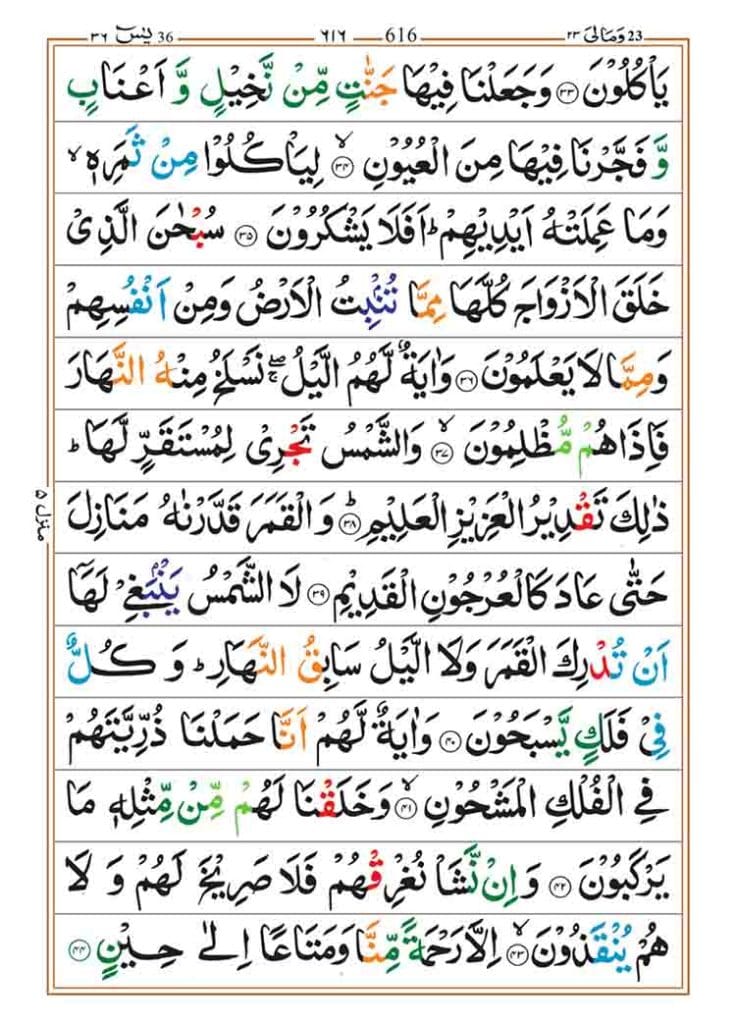
Arabic: وَجَعَلْنَا فِيهَا جَنَّاتٍ مِّن نَّخِيلٍ وَأَعْنَابٍ وَفَجَّرْنَا فِيهَا مِنَ الْعُيُونِ
Transliteration: Wa jaʿalnā fīhā jannātin min nakhlīn wa aʿnābin wa fajjarnā fīhā minal-ʿuyūn.
English: And We placed within it gardens of palm trees and grapevines and caused to burst forth from it springs.
Urdu: اور ہم نے اس میں کھجوروں اور انگوروں کے باغ بنائے اور اس میں چشمے جاری کیے۔
Ayah 35
Arabic: لِيَأْكُلُوا مِن ثَمَرِهِ وَمَا عَمِلَتْهُ أَيْدِيهِمْ ۖ أَفَلَا يَشْكُرُونَ
Transliteration: Liya’kulū min thamarīhi wa mā ʿamilathu aydīhim a-fa-lā yashkurūn.
English: That they may eat of its fruit. And their hands have not produced it. So will they not be grateful?
Urdu: تاکہ وہ اس کے پھل کھائیں، حالانکہ یہ ان کے ہاتھوں کی بنائی ہوئی چیز نہیں، تو کیا وہ شکر ادا نہیں کرتے؟
Ayah 36
Arabic: سُبْحَانَ الَّذِي خَلَقَ الْأَزْوَاجَ كُلَّهَا مِمَّا تُنبِتُ الْأَرْضُ وَمِنْ أَنفُسِهِمْ وَمِمَّا لَا يَعْلَمُونَ
Transliteration: Subḥānal-ladhī khalaqal-azwāja kullahā mimmā tunbitul-arḍu wa min anfusihim wa mimmā lā yaʿlamūn.
English: Exalted is He who created all pairs — from what the earth grows and from themselves and from that which they do not know.
Urdu: پاک ہے وہ ذات جس نے تمام جوڑے پیدا کیے، اس میں سے جو زمین اگاتی ہے اور خود ان کی جانوں میں سے اور اس میں سے جسے وہ نہیں جانتے۔
Ayah 37
Arabic: وَآيَةٌ لَّهُمُ اللَّيْلُ نَسْلَخُ مِنْهُ النَّهَارَ فَإِذَا هُم مُّظْلِمُونَ
Transliteration: Wa āyatun lahumul-laylu naslakhu minhu an-nahāra fa-idhā hum muẓlimūn.
English: And a sign for them is the night. We remove from it the day, and immediately they are in darkness.
Urdu: اور ان کے لیے ایک نشانی رات ہے، ہم اس سے دن کو کھینچ لیتے ہیں تو وہ اچانک اندھیرے میں رہ جاتے ہیں۔
Ayah 38
Arabic: وَالشَّمْسُ تَجْرِي لِمُسْتَقَرٍّ لَّهَا ۚ ذَٰلِكَ تَقْدِيرُ الْعَزِيزِ الْعَلِيمِ
Transliteration: Wash-shamsu tajrī limustaqarrin lahā dhālika taqdīrul-ʿazīzil-ʿalīm.
English: And the sun runs [on course] toward its stopping point. That is the determination of the Exalted in Might, the Knowing.
Urdu: اور سورج اپنے مقررہ ٹھکانے کی طرف چلتا ہے، یہ اس زبردست، سب کچھ جاننے والے کا مقرر کیا ہوا اندازہ ہے۔
Ayah 39
Arabic: وَالْقَمَرَ قَدَّرْنَاهُ مَنَازِلَ حَتَّىٰ عَادَ كَالْعُرْجُونِ الْقَدِيمِ
Transliteration: Wal-qamara qaddarnāhu manāzila ḥattā ʿāda kal-ʿurjūnil-qadīm.
English: And the moon — We have determined for it phases, until it returns [appearing] like the old date stalk.
Urdu: اور چاند کے لیے ہم نے منزلیں مقرر کر دیں، یہاں تک کہ وہ پرانی کھجور کی ٹہنی کی طرح ہو جاتا ہے۔
Ayah 40
Arabic: لَا الشَّمْسُ يَنبَغِي لَهَا أَن تُدْرِكَ الْقَمَرَ وَلَا اللَّيْلُ سَابِقُ النَّهَارِ ۚ وَكُلٌّ فِي فَلَكٍ يَسْبَحُونَ
Transliteration: Lash-shamsu yanbaghī lahā an tudrikal-qamara wa lal-laylu sābiqun-nahār. Wa kullun fī falakin yasbaḥūn.
English: It is not for the sun to overtake the moon, nor does the night overtake the day, but each, in an orbit, is swimming.
Urdu: نہ سورج کے لیے یہ ممکن ہے کہ وہ چاند کو جا پکڑے اور نہ رات دن سے آگے بڑھ سکتی ہے، اور ہر ایک اپنے دائرے میں تیر رہا ہے۔
Ayah 41
Arabic: وَآيَةٌ لَّهُمْ أَنَّا حَمَلْنَا ذُرِّيَّتَهُمْ فِي الْفُلْكِ الْمَشْحُونِ
Transliteration: Wa āyatun lahum annā ḥamalnā dhurriyyatahum fil-fulkil-mashḥūn.
English: And a sign for them is that We carried their descendants in the laden ship.
Urdu: اور ان کے لیے ایک نشانی یہ ہے کہ ہم نے ان کی نسل کو بھری ہوئی کشتی میں سوار کیا۔
Ayah 42
Arabic: وَخَلَقْنَا لَهُم مِّن مِّثْلِهِ مَا يَرْكَبُونَ
Transliteration: Wa khalaqnā lahum mim mithlihi mā yarkabūn.
English: And We created for them that which they ride.
Urdu: اور ہم نے ان کے لیے اسی جیسی اور چیزیں بنائیں جن پر وہ سوار ہوتے ہیں۔
Ayah 43
Arabic: وَإِن نَّشَأْ نُغْرِقْهُمْ فَلَا صَرِيخَ لَهُمْ وَلَا هُمْ يُنقَذُونَ
Transliteration: Wa in nasha’ nughriqhum fa-lā ṣarīkha lahum wa lā hum yunqadhūn.
English: And if We should will, We could drown them; then no cry for help would they have, nor would they be saved.
Urdu: اور اگر ہم چاہیں تو انہیں ڈبو دیں، پھر نہ کوئی ان کی فریاد سننے والا ہو اور نہ وہ بچائے جائیں۔
Ayah 44
Arabic: إِلَّا رَحْمَةً مِّنَّا وَمَتَاعًا إِلَىٰ حِينٍ
Transliteration: Illā raḥmatan minnā wa matāʿan ilā ḥīn.
English: Except as a mercy from Us and provision for a time.
Urdu: مگر یہ ہماری طرف سے رحمت اور ایک وقت تک فائدہ اٹھانے کے لیے ہے۔
Ayah 45
Arabic: وَإِذَا قِيلَ لَهُمُ اتَّقُوا مَا بَيْنَ أَيْدِيكُمْ وَمَا خَلْفَكُمْ لَعَلَّكُمْ تُرْحَمُونَ
Transliteration: Wa idhā qīla lahumuttaqū mā bayna aydīkum wa mā khalfakum laʿallakum turḥamūn.
English: And when it is said to them, “Beware of what is before you and what is behind you; perhaps you will receive mercy.”
Urdu: اور جب ان سے کہا جاتا ہے کہ اس چیز سے ڈرو جو تمہارے آگے ہے اور جو تمہارے پیچھے ہے، تاکہ تم پر رحم کیا جائے۔
Ayah 46
Arabic: وَمَا تَأْتِيهِم مِّنْ آيَةٍ مِّنْ آيَاتِ رَبِّهِمْ إِلَّا كَانُوا عَنْهَا مُعْرِضِينَ
Transliteration: Wa mā ta’tīhim min āyatin min āyāti rabbihim illā kānū ʿanhā muʿriḍīn.
English: And no sign comes to them from the signs of their Lord except that they are turning away from it.
Urdu: اور ان کے پاس ان کے رب کی نشانیوں میں سے کوئی نشانی نہیں آتی مگر وہ اس سے منہ موڑ لیتے ہیں۔
Ayah 47
Arabic: وَإِذَا قِيلَ لَهُمْ أَنفِقُوا مِمَّا رَزَقَكُمُ اللَّهُ قَالَ الَّذِينَ كَفَرُوا لِلَّذِينَ آمَنُوا أَنُطْعِمُ مَن لَّوْ يَشَاءُ اللَّهُ أَطْعَمَهُ إِنْ أَنتُمْ إِلَّا فِي ضَلَالٍ مُّبِينٍ
Transliteration: Wa idhā qīla lahum anfiqū mimmā razaqakumullāhu qālal-ladhīna kafarū lilladhīna āmanū a-nuṭʿimu man law yashā’ullāhu aṭʿamahu in antum illā fī ḍalālim-mubīn.
English: And when it is said to them, “Spend from that which Allah has provided for you,” those who disbelieve say to those who believe, “Should we feed one whom, if Allah had willed, He would have fed? You are not but in clear error.”
Urdu: اور جب ان سے کہا جاتا ہے کہ اللہ نے جو تمہیں دیا ہے اس میں سے خرچ کرو، تو کافر لوگ ایمان والوں سے کہتے ہیں: کیا ہم اسے کھلائیں جسے اللہ چاہتا تو خود کھلا دیتا؟ تم تو بس کھلی گمراہی میں ہو۔
Ayah 48
Arabic: وَيَقُولُونَ مَتَىٰ هَٰذَا الْوَعْدُ إِن كُنتُمْ صَادِقِينَ
Transliteration: Wa yaqūlūna matā hādhal-waʿdu in kuntum ṣādiqīn.
English: And they say, “When is this promise, if you should be truthful?”
Urdu: اور کہتے ہیں: یہ وعدہ کب پورا ہو گا اگر تم سچے ہو؟
Ayah 49
Arabic: مَا يَنظُرُونَ إِلَّا صَيْحَةً وَاحِدَةً تَأْخُذُهُمْ وَهُمْ يَخِصِّمُونَ
Transliteration: Mā yanẓurūna illā ṣayḥatan wāḥidatan ta’khuduhum wa hum yakhiṣṣimūn.
English: They do not await except one blast, which will seize them while they are disputing.
Urdu: وہ صرف ایک چیخ کا انتظار کر رہے ہیں جو انہیں اس وقت آ پکڑے گی جب وہ آپس میں جھگڑ رہے ہوں گے۔
Ayah 50
Arabic: فَلَا يَسْتَطِيعُونَ تَوْصِيَةً وَلَا إِلَىٰ أَهْلِهِمْ يَرْجِعُونَ
Transliteration: Fa-lā yastaṭīʿūna tawṣiyatan wa lā ilā ahlihim yarjiʿūn.
English: And they will not be able to make a will, nor will they return to their families.
Urdu: پھر نہ وہ وصیت کر سکیں گے اور نہ اپنے گھر والوں کی طرف لوٹ سکیں گے۔
Ayah 51
Arabic: وَنُفِخَ فِي الصُّورِ فَإِذَا هُم مِّنَ الْأَجْدَاثِ إِلَىٰ رَبِّهِمْ يَنسِلُونَ
Transliteration: Wa nufikha fiṣ-ṣūri fa-idhā hum minal-ajdāthi ilā rabbihim yansilūn.
English: And the Horn will be blown; and at once from the graves to their Lord they will hasten.
Urdu: اور صور پھونکا جائے گا تو وہ فوراً قبروں سے اپنے رب کی طرف دوڑ پڑیں گے۔
Ayah 52
Arabic: قَالُوا يَا وَيْلَنَا مَن بَعَثَنَا مِن مَّرْقَدِنَا ۜ ۗ هَٰذَا مَا وَعَدَ الرَّحْمَٰنُ وَصَدَقَ الْمُرْسَلُونَ
Transliteration: Qālū yā waylanā man baʿathanā mim marqadinā hādhā mā waʿadar-raḥmānu wa ṣadaqal-mursalūn.
English: They will say, “O woe to us! Who has raised us up from our sleeping place?” [They will be told], “This is what the Most Merciful had promised, and the messengers told the truth.”
Urdu: کہیں گے: ہائے ہماری کم بختی! کس نے ہمیں ہماری خواب گاہ سے اٹھا دیا؟ یہ وہی ہے جس کا رحمٰن نے وعدہ کیا تھا اور رسولوں نے سچ کہا تھا۔
Ayah 53
Arabic: إِن كَانَتْ إِلَّا صَيْحَةً وَاحِدَةً فَإِذَا هُمْ جَمِيعٌ لَّدَيْنَا مُحْضَرُونَ
Transliteration: In kānat illā ṣayḥatan wāḥidatan fa-idhā hum jamīʿun ladaynā muḥḍarūn.
English: It will not be but one blast, and at once they will all be brought before Us.
Urdu: وہ صرف ایک ہی چیخ ہو گی، پھر وہ سب کے سب ہمارے حضور پیش کر دیے جائیں گے۔
Ayah 54
Arabic: فَالْيَوْمَ لَا تُظْلَمُ نَفْسٌ شَيْئًا وَلَا تُجْزَوْنَ إِلَّا مَا كُنتُمْ تَعْمَلُونَ
Transliteration: Fal-yawma lā tuẓlamu nafsun shay’an wa lā tujzawna illā mā kuntum taʿmalūn.
English: So today no soul will be wronged in the least, and you will only be recompensed for what you used to do.
Urdu: سو آج کسی جان پر کچھ ظلم نہیں کیا جائے گا اور تمہیں بدلہ نہیں دیا جائے گا مگر اسی کا جو تم کرتے رہے۔
Ayah 55
Arabic: إِنَّ أَصْحَابَ الْجَنَّةِ الْيَوْمَ فِي شُغُلٍ فَاكِهُونَ
Transliteration: Inna aṣḥābal-jannati al-yawma fī shughulin fākihūn.
English: Indeed, the companions of Paradise that Day will be occupied in rejoicing.
Urdu: بیشک جنت والے آج کے دن نعمتوں میں مشغول، خوش و خرم ہیں۔
Ayah 56
Arabic: هُمْ وَأَزْوَاجُهُمْ فِي ظِلَالٍ عَلَى الْأَرَائِكِ مُتَّكِئُونَ
Transliteration: Hum wa azwājuhum fī ẓilālin ʿalal-arā’iki muttaki’ūn.
English: They and their spouses — in shade, reclining on adorned couches.
Urdu: وہ اور ان کی بیویاں سایوں میں تختوں پر تکیہ لگائے ہوں گے۔
Ayah 57
Arabic: لَهُمْ فِيهَا فَاكِهَةٌ وَلَهُم مَّا يَدَّعُونَ
Transliteration: Lahum fīhā fākihatun wa lahum mā yaddaʿūn.
English: For them therein is fruit, and for them is whatever they request.
Urdu: ان کے لیے اس میں پھل ہیں اور جو کچھ وہ مانگیں گے وہ انہیں ملے گا۔
Ayah 58
Arabic: سَلَامٌ قَوْلًا مِّن رَّبٍّ رَّحِيمٍ
Transliteration: Salāmun qawlan mir-rabbir-raḥīm.
English: [They will be told], “Peace,” a word from a Merciful Lord.
Urdu: سلام، مہربان رب کی طرف سے ایک کہا ہوا لفظ۔
Ayah 59
Arabic: وَامْتَازُوا الْيَوْمَ أَيُّهَا الْمُجْرِمُونَ
Transliteration: Wam-tāzūl-yawma ayyuhal-mujrimūn.
English: [Then He will say], “But stand apart today, you criminals.”
Urdu: اور اے مجرمو! آج الگ ہو جاؤ۔
Ayah 60
Arabic: أَلَمْ أَعْهَدْ إِلَيْكُمْ يَا بَنِي آدَمَ أَن لَّا تَعْبُدُوا الشَّيْطَانَ ۖ إِنَّهُ لَكُمْ عَدُوٌّ مُّبِينٌ
Transliteration: Alam aʿhad ilaykum yā banī ādama an lā taʿbudush-shayṭāna innahu lakum ʿaduwwum-mubīn.
English: Did I not enjoin upon you, O children of Adam, that you not worship Satan — [for] indeed, he is to you a clear enemy.
Urdu: کیا میں نے تم سے عہد نہیں لیا تھا، اے آدم کی اولاد! کہ شیطان کی عبادت نہ کرنا، بیشک وہ تمہارا کھلا دشمن ہے۔
Ayah 61
Arabic: وَأَنِ اعْبُدُونِي ۚ هَٰذَا صِرَاطٌ مُّسْتَقِيمٌ
Transliteration: Wa aniʿbudūnī hādhā ṣirāṭum-mustaqīm.
English: And that you worship [only] Me? This is a straight path.
Urdu: اور یہ کہ میری عبادت کرنا، یہی سیدھا راستہ ہے۔
Ayah 62
Arabic: وَلَقَدْ أَضَلَّ مِنكُمْ جِبِلًّا كَثِيرًا ۖ أَفَلَمْ تَكُونُوا تَعْقِلُونَ
Transliteration: Wa laqad aḍalla minkum jibillan kathīran a-fa-lam takūnū taʿqilūn.
English: And he had already led astray from among you many hosts. Then did you not use reason?
Urdu: اور اس نے تم میں سے بہت سی مخلوق کو گمراہ کر دیا تھا، کیا تم عقل نہیں رکھتے تھے؟
Ayah 63
Arabic: هَٰذِهِ جَهَنَّمُ الَّتِي كُنتُمْ تُوعَدُونَ
Transliteration: Hādhihi jahannamul-latī kuntum tūʿadūn.
English: This is the Hellfire which you were promised.
Urdu: یہ ہے وہ جہنم جس کا تم سے وعدہ کیا جاتا تھا۔
Ayah 64
Arabic: اصْلَوْهَا الْيَوْمَ بِمَا كُنتُمْ تَكْفُرُونَ
Transliteration: Iṣlawhal-yawma bimā kuntum takfurūn.
English: Burn in it today because you used to disbelieve.
Urdu: آج اس میں داخل ہو جاؤ اس کفر کے بدلے جو تم کرتے تھے۔
Ayah 65
Arabic: الْيَوْمَ نَخْتِمُ عَلَىٰ أَفْوَاهِهِمْ وَتُكَلِّمُنَا أَيْدِيهِمْ وَتَشْهَدُ أَرْجُلُهُم بِمَا كَانُوا يَكْسِبُونَ
Transliteration: Al-yawma nakhtimu ʿalā afwāhihim wa tukallimunā aydīhim wa tashhadu arjuluhum bimā kānū yaksibūn.
English: That Day, We will seal upon their mouths, and their hands will speak to Us, and their feet will testify about what they used to earn.
Urdu: آج ہم ان کے منہ پر مہر لگا دیں گے اور ان کے ہاتھ ہم سے بات کریں گے اور ان کے پاؤں گواہی دیں گے اس پر جو وہ کماتے رہے۔
Ayah 66
Arabic: وَلَوْ نَشَاءُ لَطَمَسْنَا عَلَىٰ أَعْيُنِهِمْ فَاسْتَبَقُوا الصِّرَاطَ فَأَنَّىٰ يُبْصِرُونَ
Transliteration: Wa law nashā’u laṭamasnā ʿalā aʿyuniḥim fastabaquṣ-ṣirāṭa fa-annā yubṣirūn.
English: And if We willed, We could have obliterated their eyes. So they would race to find the path, but how could they see?
Urdu: اور اگر ہم چاہیں تو ان کی آنکھیں مٹا دیں، پھر وہ راستے کی طرف دوڑیں تو کیسے دیکھ سکیں گے؟
Ayah 67
Arabic: وَلَوْ نَشَاءُ لَمَسَخْنَاهُمْ عَلَىٰ مَكَانَتِهِمْ فَمَا اسْتَطَاعُوا مُضِيًّا وَلَا يَرْجِعُونَ
Transliteration: Wa law nashā’u lamasakhnāhum ʿalā makānatihim famā istaṭāʿū muḍiyyan wa lā yarjiʿūn.
English: And if We willed, We could have deformed them in their places so they would not be able to proceed or return.
Urdu: اور اگر ہم چاہیں تو انہیں ان کی جگہ پر ہی مسخ کر دیں، پھر نہ وہ آگے بڑھ سکیں اور نہ واپس لوٹ سکیں۔
Ayah 68
Arabic: وَمَن نُّعَمِّرْهُ نُنَكِّسْهُ فِي الْخَلْقِ ۖ أَفَلَا يَعْقِلُونَ
Transliteration: Wa man nuʿammirhu nunakkis-hu fil-khalqi a-fa-lā yaʿqilūn.
English: And he to whom We grant long life We reverse in creation; then will they not understand?
Urdu: اور جسے ہم لمبی عمر دیتے ہیں، اسے پیدائش میں الٹا کر دیتے ہیں، کیا وہ عقل نہیں رکھتے؟
Ayah 69
Arabic: وَمَا عَلَّمْنَاهُ الشِّعْرَ وَمَا يَنبَغِي لَهُ ۚ إِنْ هُوَ إِلَّا ذِكْرٌ وَقُرْآنٌ مُّبِينٌ
Transliteration: Wa mā ʿallamnāhu ash-shiʿra wa mā yanbaghī lahū in huwa illā dhikrun wa Qur’ānun mubīn.
English: And We have not taught him poetry, nor is it befitting for him. It is not but a reminder and a clear Qur’an.
Urdu: اور ہم نے انہیں شعر نہیں سکھایا اور نہ یہ ان کے لیے مناسب ہے، یہ تو صرف ایک نصیحت اور واضح قرآن ہے۔
Ayah 70
Arabic: لِّيُنذِرَ مَن كَانَ حَيًّا وَيَحِقَّ الْقَوْلُ عَلَى الْكَافِرِينَ
Transliteration: Li-yundhira man kāna ḥayyan wa yaḥiqqa al-qawlu ʿalal-kāfirīn.
English: To warn whoever is living and to justify the word against the disbelievers.
Urdu: تاکہ وہ اسے ڈرائے جو زندہ ہو اور کافروں پر بات ثابت ہو جائے۔
Ayah 71
Arabic: أَوَلَمْ يَرَوْا أَنَّا خَلَقْنَا لَهُم مِّمَّا عَمِلَتْ أَيْدِينَا أَنْعَامًا فَهُمْ لَهَا مَالِكُونَ
Transliteration: Awa-lam yaraw annā khalaqnā lahum mimmā ʿamilat aydīnā anʿāman fa-hum lahā mālikūn.
English: Have they not seen that We have created for them, from what Our hands have made, livestock which they control?
Urdu: کیا انہوں نے نہیں دیکھا کہ ہم نے اپنے ہاتھوں کی بنائی ہوئی چیزوں میں سے ان کے لیے مویشی پیدا کیے، سو وہ ان کے مالک ہیں؟
Ayah 72
Arabic: وَذَلَّلْنَاهَا لَهُمْ فَمِنْهَا رَكُوبُهُمْ وَمِنْهَا يَأْكُلُونَ
Transliteration: Wa dhallalnāhā lahum fa-minhā rakūbuhum wa minhā ya’kulūn.
English: And We have tamed them for them, so some of them they ride, and some they eat.
Urdu: اور ہم نے انہیں ان کے لیے نرم کر دیا، سو بعض پر وہ سوار ہوتے ہیں اور بعض کو کھاتے ہیں۔
Ayah 73
Arabic: وَلَهُمْ فِيهَا مَنَافِعُ وَمَشَارِبُ ۖ أَفَلَا يَشْكُرُونَ
Transliteration: Wa lahum fīhā manāfiʿu wa mashārib. A-fa-lā yashkurūn.
English: And for them therein are [other] benefits and drinks. Then will they not be grateful?
Urdu: اور ان کے لیے اس میں اور بھی فائدے اور پینے کی چیزیں ہیں، تو کیا وہ شکر ادا نہیں کرتے؟
Ayah 74
Arabic: وَاتَّخَذُوا مِن دُونِ اللَّهِ آلِهَةً لَّعَلَّهُمْ يُنصَرُونَ
Transliteration: Wattakhadhū min dūnillāhi ālihatan laʿallahum yunṣarūn.
English: But they have taken besides Allah [other] gods that perhaps they would be helped.
Urdu: اور انہوں نے اللہ کے سوا اور معبود بنا لیے، شاید انہیں مدد دی جائے۔
Ayah 75
Arabic: لَا يَسْتَطِيعُونَ نَصْرَهُمْ وَهُمْ لَهُمْ جُندٌ مُّحْضَرُونَ
Transliteration: Lā yastaṭīʿūna naṣrahum wa hum lahum jundum muḥḍarūn.
English: They are not able to help them, and they [themselves] are soldiers in attendance for them.
Urdu: وہ ان کی مدد نہیں کر سکتے، بلکہ وہ خود ان کے لیے حاضر باش لشکر ہیں۔
Ayah 76
Arabic: فَلَا يَحْزُنكَ قَوْلُهُمْ ۘ إِنَّا نَعْلَمُ مَا يُسِرُّونَ وَمَا يُعْلِنُونَ
Transliteration: Fa-lā yaḥzunka qawluhum innā naʿlamu mā yusirrūna wa mā yuʿlinūn.
English: So let not their speech grieve you. Indeed, We know what they conceal and what they declare.
Urdu: سو ان کی بات آپ کو غمگین نہ کرے، بیشک ہم جانتے ہیں جو وہ چھپاتے ہیں اور جو ظاہر کرتے ہیں۔
Ayah 77
Arabic: أَوَلَمْ يَرَ الْإِنسَانُ أَنَّا خَلَقْنَاهُ مِن نُّطْفَةٍ فَإِذَا هُوَ خَصِيمٌ مُّبِينٌ
Transliteration: Awa-lam yaral-insānu annā khalaqnāhu min nuṭfatin fa-idhā huwa khaṣīmun mubīn.
English: Does man not consider that We created him from a [mere] sperm-drop — then at once he is an open disputant?
Urdu: کیا انسان نے نہیں دیکھا کہ ہم نے اسے ایک بوند سے پیدا کیا، پھر اچانک وہ کھلا جھگڑالو بن گیا؟
Ayah 78
Arabic: وَضَرَبَ لَنَا مَثَلًا وَنَسِيَ خَلْقَهُ ۖ قَالَ مَن يُحْيِي الْعِظَامَ وَهِيَ رَمِيمٌ
Transliteration: Wa ḍaraba lanā mathalan wa nasiya khalqahu qāla man yuḥyil-ʿiẓāma wa hiya ramīm.
English: And he presents for Us an example and forgets his [own] creation. He says, “Who will give life to bones while they are disintegrated?”
Urdu: اور اس نے ہمارے لیے مثال بیان کی اور اپنی پیدائش کو بھول گیا، کہتا ہے: ہڈیوں کو کون زندہ کرے گا جبکہ وہ بوسیدہ ہو چکی ہوں؟
Ayah 79
Arabic: قُلْ يُحْيِيهَا الَّذِي أَنشَأَهَا أَوَّلَ مَرَّةٍ ۖ وَهُوَ بِكُلِّ خَلْقٍ عَلِيمٌ
Transliteration: Qul yuḥyīhal-ladhī ansha’ahā awwala marratin wa huwa bikulli khalqin ʿalīm.
English: Say, “He will give them life who created them the first time, and He is, of all creation, Knowing.”
Urdu: کہہ دیں: انہیں وہی زندہ کرے گا جس نے انہیں پہلی بار پیدا کیا، اور وہ ہر مخلوق کو خوب جاننے والا ہے۔
Ayah 80
Arabic: الَّذِي جَعَلَ لَكُم مِّنَ الشَّجَرِ الْأَخْضَرِ نَارًا فَإِذَا أَنتُم مِّنْهُ تُوقِدُونَ
Transliteration: Alladhī jaʿala lakum minash-shajaril-akhḍari nāran fa-idhā antum minhu tūqidūn.
English: [It is] He who made for you fire from the green tree, and then from it you ignite.
Urdu: جس نے تمہارے لیے سبز درخت سے آگ پیدا کی، پھر تم اسی سے آگ جلاتے ہو۔
Ayah 81
Arabic: أَوَلَيْسَ الَّذِي خَلَقَ السَّمَاوَاتِ وَالْأَرْضَ بِقَادِرٍ عَلَىٰ أَن يَخْلُقَ مِثْلَهُم ۚ بَلَىٰ وَهُوَ الْخَلَّاقُ الْعَلِيمُ
Transliteration: Awa-laysal-ladhī khalaqas-samāwāti wal-arḍa bi-qādirin ʿalā an yakhluqa mithlahum balā wa huwal-khallāqul-ʿalīm.
English: Is not He who created the heavens and the earth Able to create the likes of them? Yes, and He is the Knowing Creator.
Urdu: کیا وہ جس نے آسمانوں اور زمین کو پیدا کیا، اس بات پر قادر نہیں کہ ان جیسے دوبارہ پیدا کر دے؟ کیوں نہیں! اور وہ بڑا پیدا کرنے والا، خوب جاننے والا ہے۔
Ayah 82
Arabic: إِنَّمَا أَمْرُهُ إِذَا أَرَادَ شَيْئًا أَن يَقُولَ لَهُ كُن فَيَكُونُ
Transliteration: Innamā amruhu idhā arāda shay’an an yaqūla lahu kun fa-yakūn.
English: His command is only when He intends a thing that He says to it, “Be,” and it is.
Urdu: اس کا حکم تو صرف یہ ہے کہ جب وہ کسی چیز کا ارادہ کرتا ہے تو اسے کہتا ہے “ہو جا” تو وہ ہو جاتی ہے۔
Ayah 83
Arabic: فَسُبْحَانَ الَّذِي بِيَدِهِ مَلَكُوتُ كُلِّ شَيْءٍ وَإِلَيْهِ تُرْجَعُونَ
Transliteration: Fa-subḥānal-ladhī biyadihi malakūtu kulli shay’in wa ilayhi turjaʿūn.
English: So exalted is He in whose hand is the dominion of all things, and to Him you will be returned.
Urdu: سو پاک ہے وہ ذات جس کے ہاتھ میں ہر چیز کی بادشاہت ہے، اور اسی کی طرف تم لوٹائے جاؤ گے۔
History and Background of Surah Yasen
Surah Yaseen was revealed in Makkah at a time when the Quraysh were fiercely opposing the Prophet ﷺ. The main purpose of this Surah was to strengthen the faith of the believers and to warn the disbelievers about the reality of the Hereafter.
According to authentic narrations, the Prophet ﷺ said: “Everything has a heart, and the heart of the Quran is Surah Yaseen.” (Sunan Tirmidhi)
This Surah is often called the “Heart of the Quran” because it beautifully summarizes the core message of the entire Quran — Tawhid, Risalah (prophethood), and Ma’ad (the Hereafter). It was revealed when the Prophet ﷺ was facing extreme difficulties, and it gave him and his companions great comfort and strength.
Virtues and Benefits of Reciting Surah Yasin
Reciting Surah Yaseen regularly carries immense virtues and benefits:
- Heart of the Quran: The Prophet ﷺ called it the heart of the Quran, meaning it contains the core message of the entire Book.
- Forgiveness and Mercy: Reciting it with sincerity brings great mercy and forgiveness from Allah.
- For the Deceased: It is Sunnah to recite Surah Yaseen beside a dying person or at the grave for their ease in the grave.
- Ease in Affairs: Many scholars recommend reciting it for any difficulty, especially for solving problems and opening doors of Rizq.
- Protection: It protects the reciter from evil and brings peace of mind.
- Reward: The reward of reciting Surah Yaseen is equal to reciting the entire Quran 10 times (according to some narrations).
Practical Benefit: Reciting Surah Yaseen every day, especially after Fajr or before sleeping, brings barakah in life and helps maintain a strong connection with Allah.
Frequently Asked Questions About Surah Yasin
Why is Surah Yaseen called the “Heart of the Quran”?
Surah Yaseen is called the Heart of the Quran because the Prophet Muhammad ﷺ said, “Everything has a heart, and the heart of the Quran is Surah Yaseen.” It beautifully summarizes the main message of the entire Quran — Tawhid, Prophethood, and the Hereafter.
When is the best time to recite Surah Yaseen?
Surah Yaseen is best recited daily, especially after Fajr prayer or before sleeping. It is also highly recommended to recite it at the time of death, beside a dying person, and at the grave of the deceased.
What are the benefits of reciting Surah Yaseen?
Reciting Surah Yaseen brings great rewards including forgiveness of sins, ease in difficulties, increase in sustenance, protection from evil, peace of mind, and blessings for the deceased.
Is Surah Yaseen a Makki or Madani Surah?
Surah Yaseen is a Makki Surah, revealed in Makkah during the early period of Prophethood.
Can Surah Yaseen be recited for the deceased?
Yes, it is highly recommended to recite Surah Yaseen for a dying person and at the grave. It is considered a form of Sadaqah Jariyah for the deceased.
⚠️ Important Disclaimer
The content presented on this page regarding Surah Yaseen is compiled for educational and informational purposes. All translations and explanations are based on classical Tafseer books and reliable scholarly opinions. However, for any personal religious rulings, fatwa, or specific life matters, we strongly recommend consulting a qualified Islamic scholar or Mufti in your area.
Last Updated: April 2026