Surah Yaseen wird e khas is a special, structured way of reciting Surah Yaseen, usually taught in devotional booklets and followed with a fixed intention and daily routine. In this guide, you will learn what a wird is, how the recitation is commonly approached, the etiquette to observe, and which claims about its benefits are reliable and which are not, so you can practise it with understanding and sincerity.
What Is a Wird?
A wird (plural awrad) is a portion of Quran recitation, dhikr or dua that a believer commits to reading regularly. The core idea is consistency. The Prophet ﷺ taught that the deeds most beloved to Allah are the most consistent, even if small (Sahih al-Bukhari and Sahih Muslim). The Quran also instructs us to recite it slowly and thoughtfully (Surah Al-Muzzammil 73:4).
The word khas (خاص) means special or specific. So a wird-e-khas is a defined, structured routine rather than casual reading.
What Is Surah Yaseen Ka Wird-e-Khas?
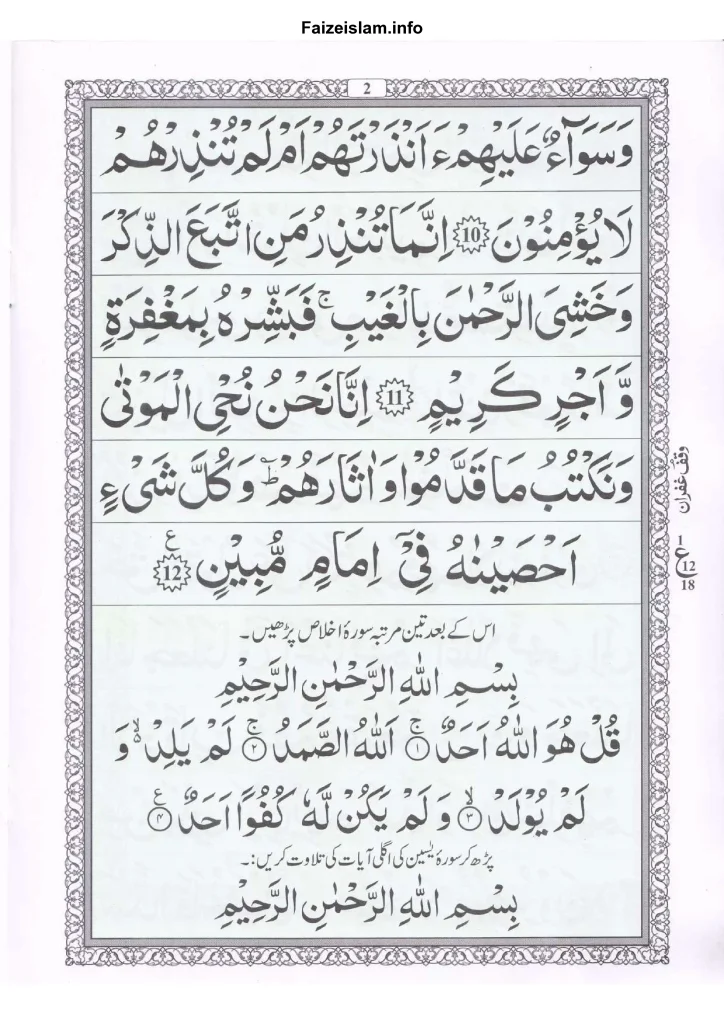
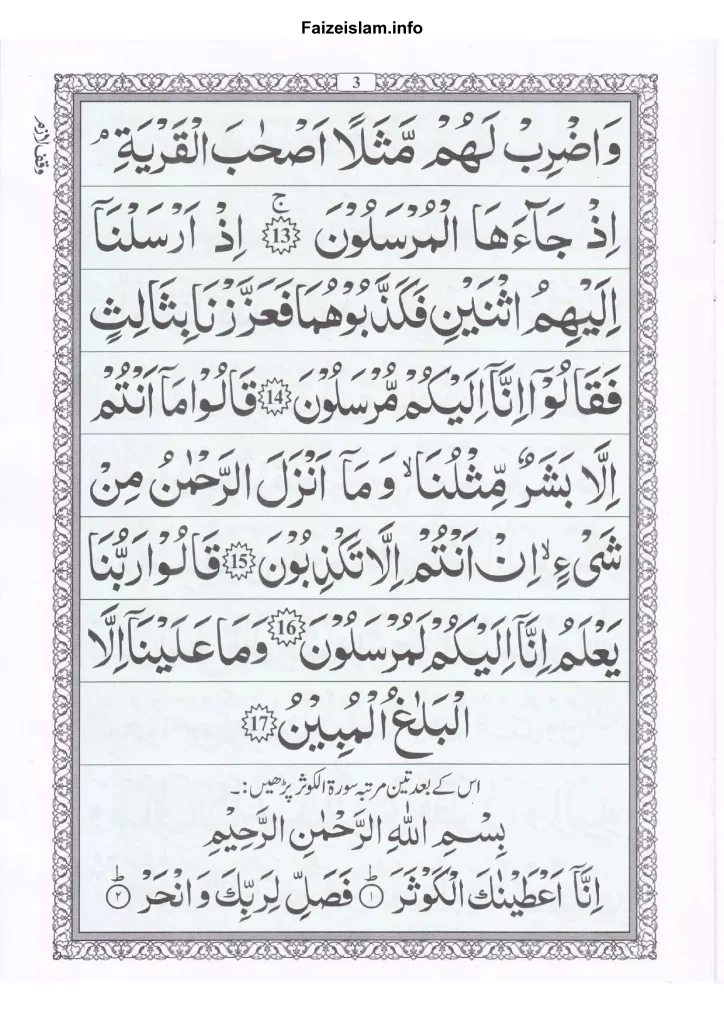
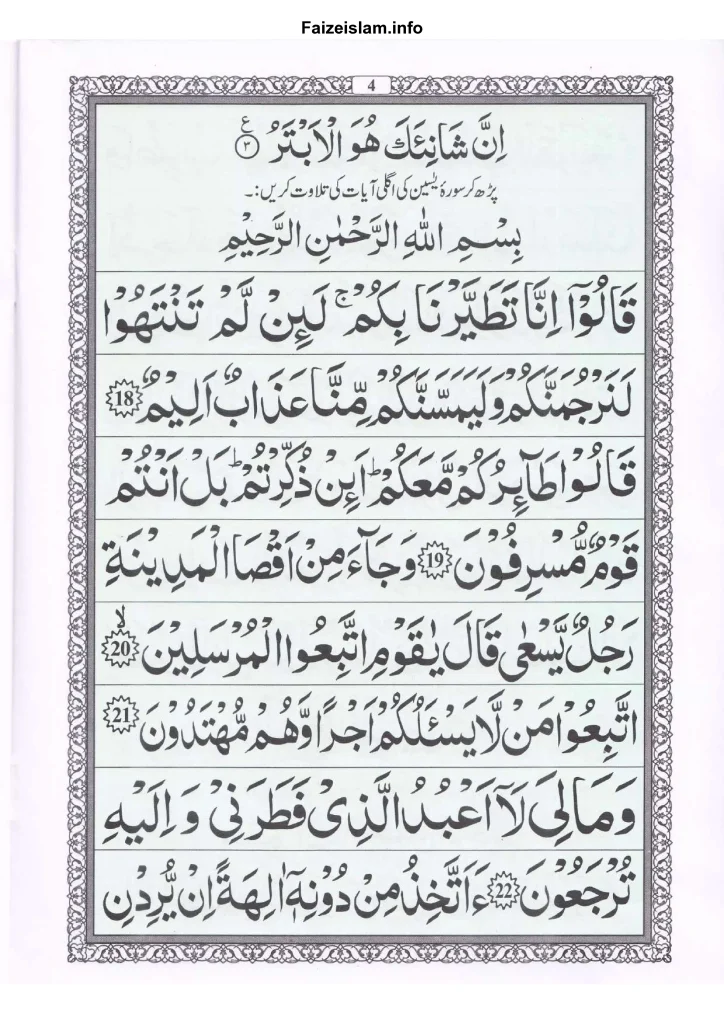
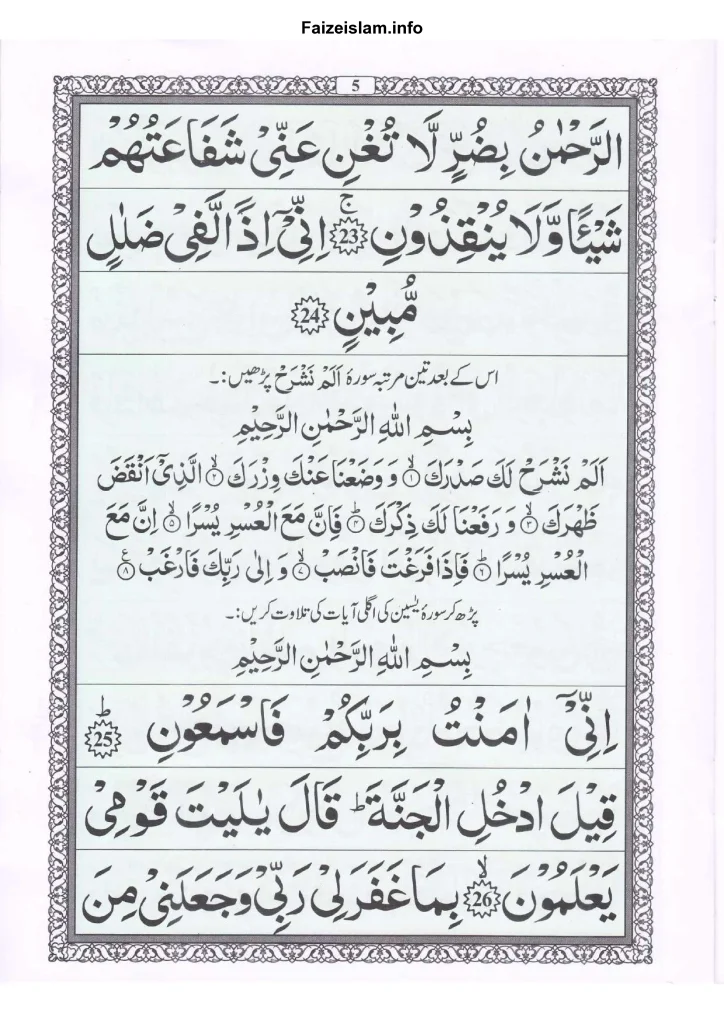
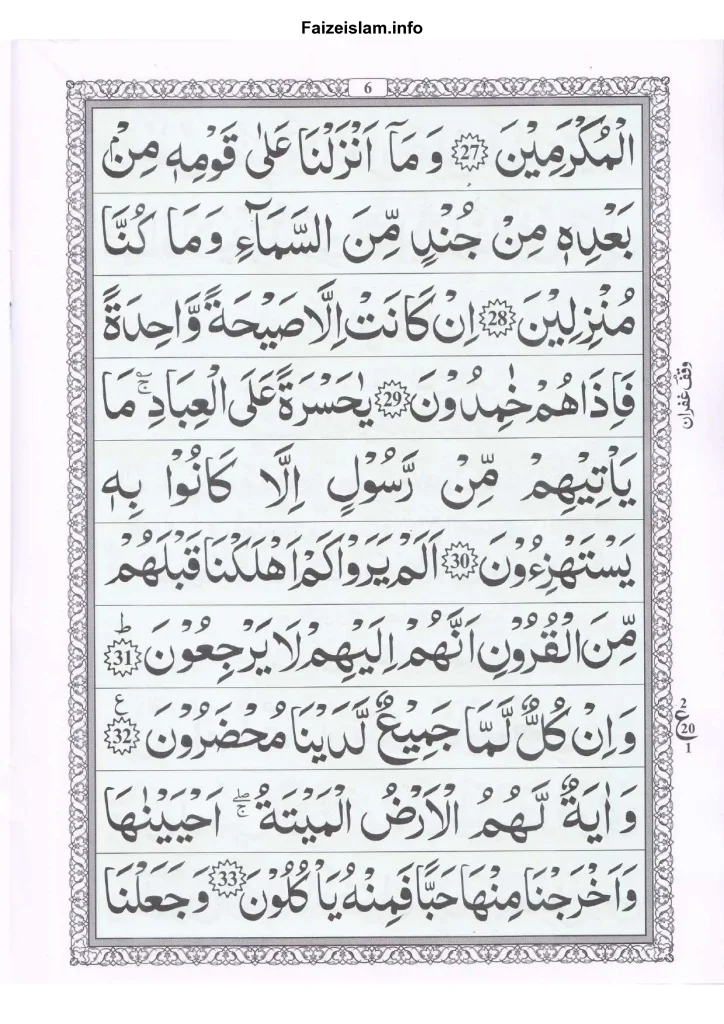
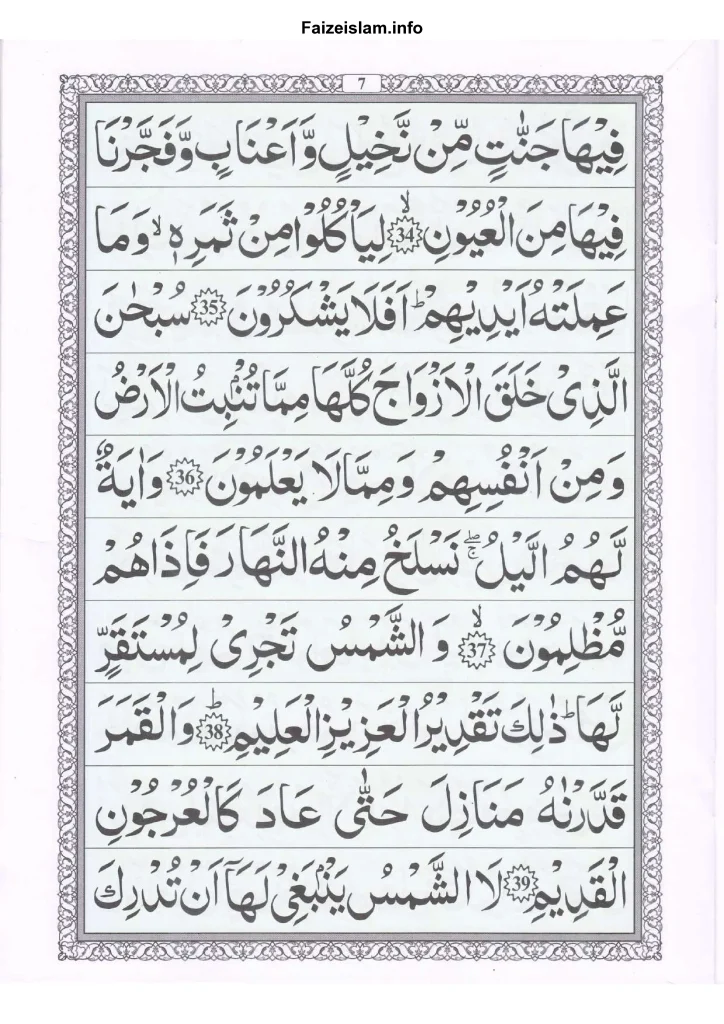
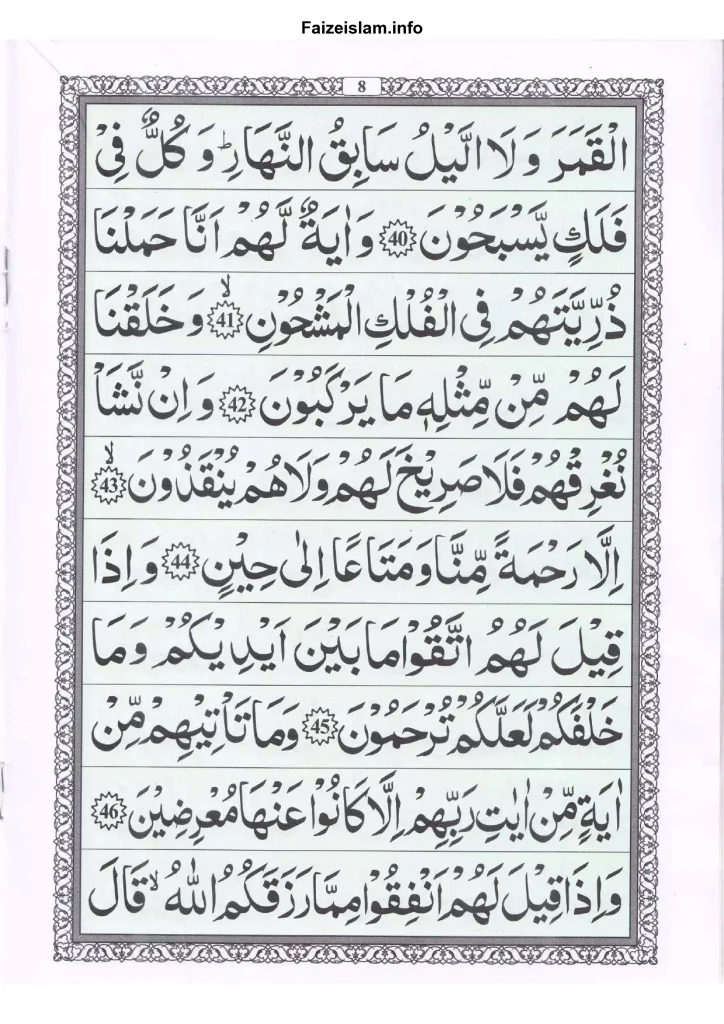
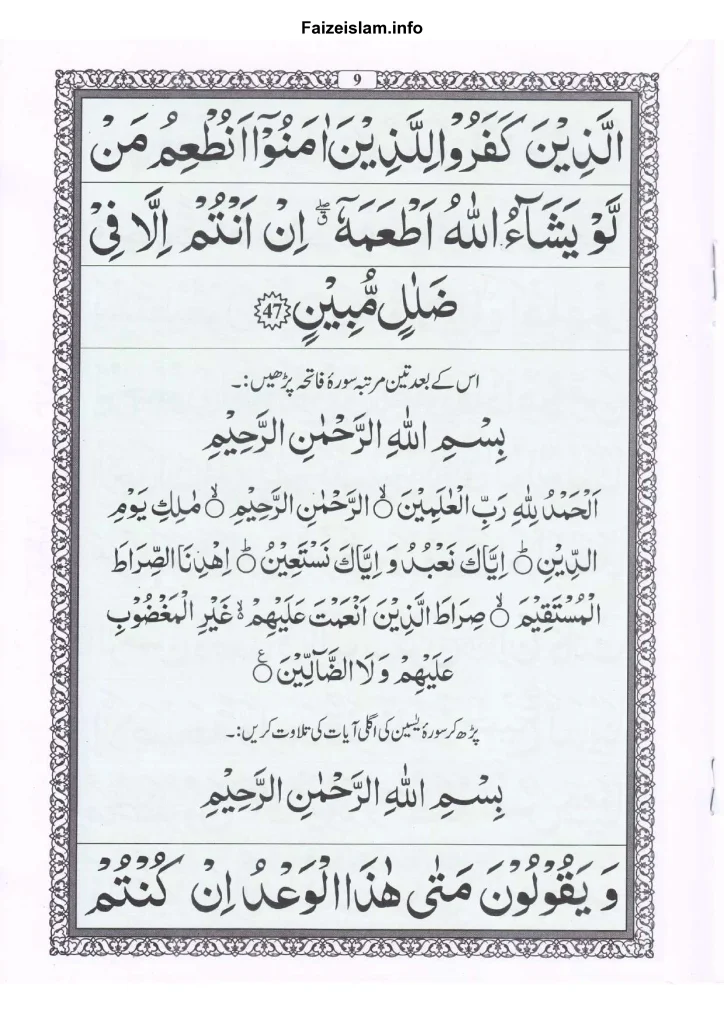
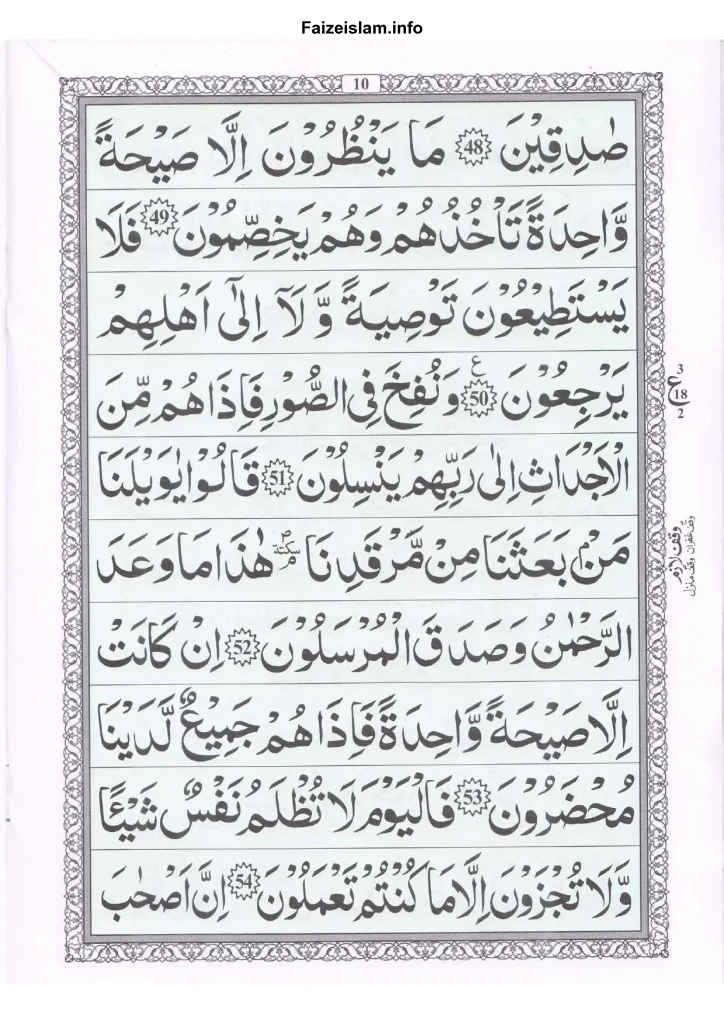
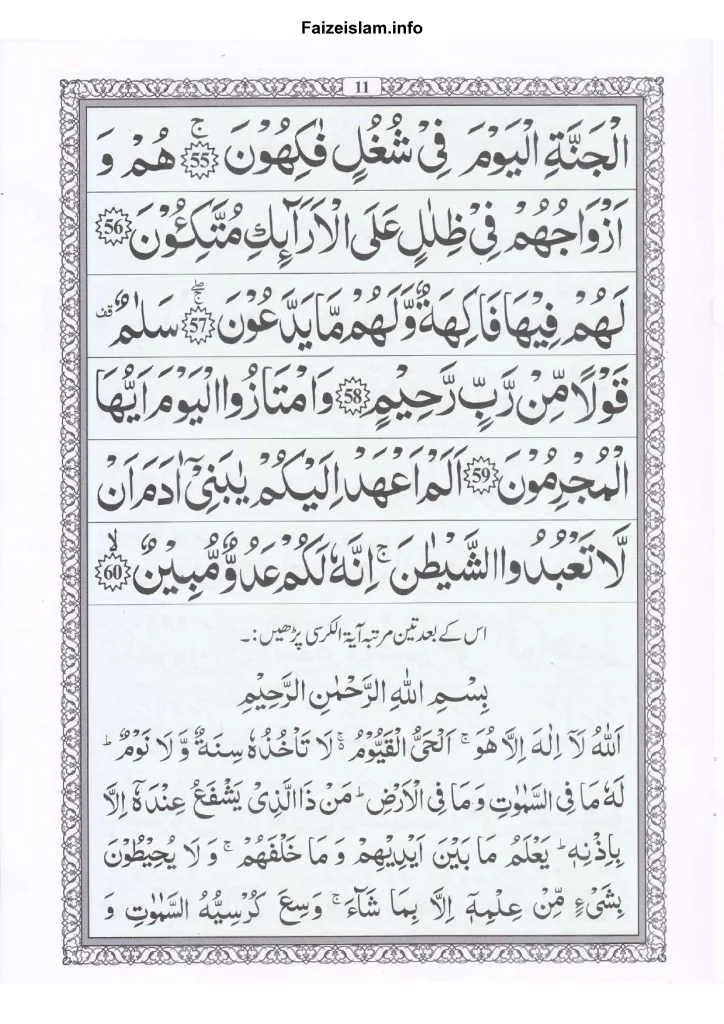
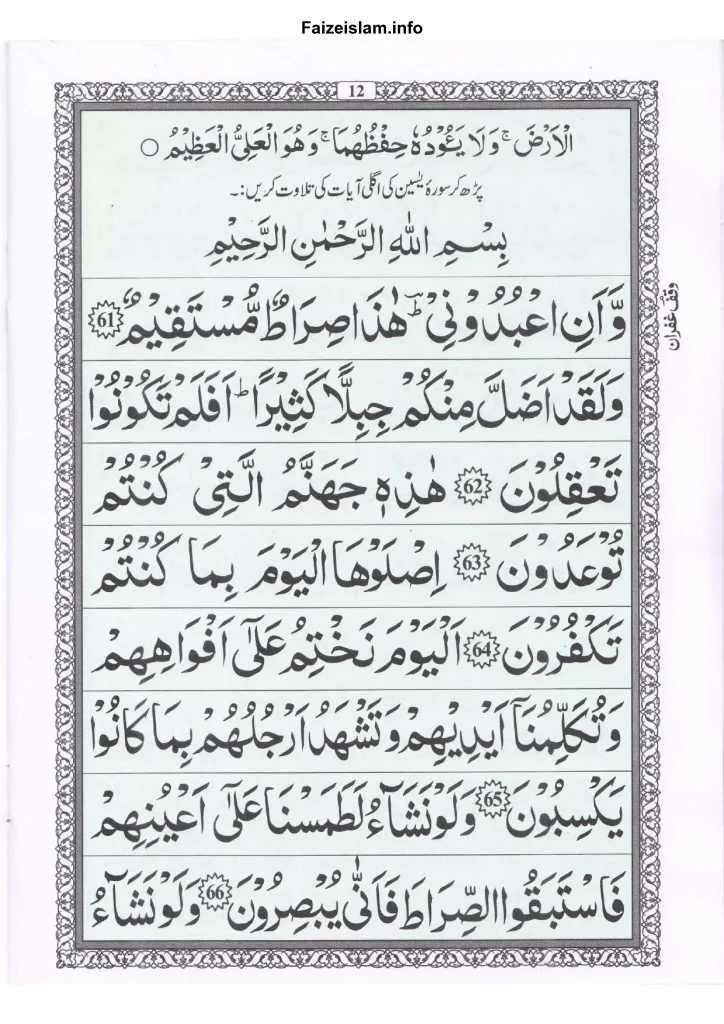
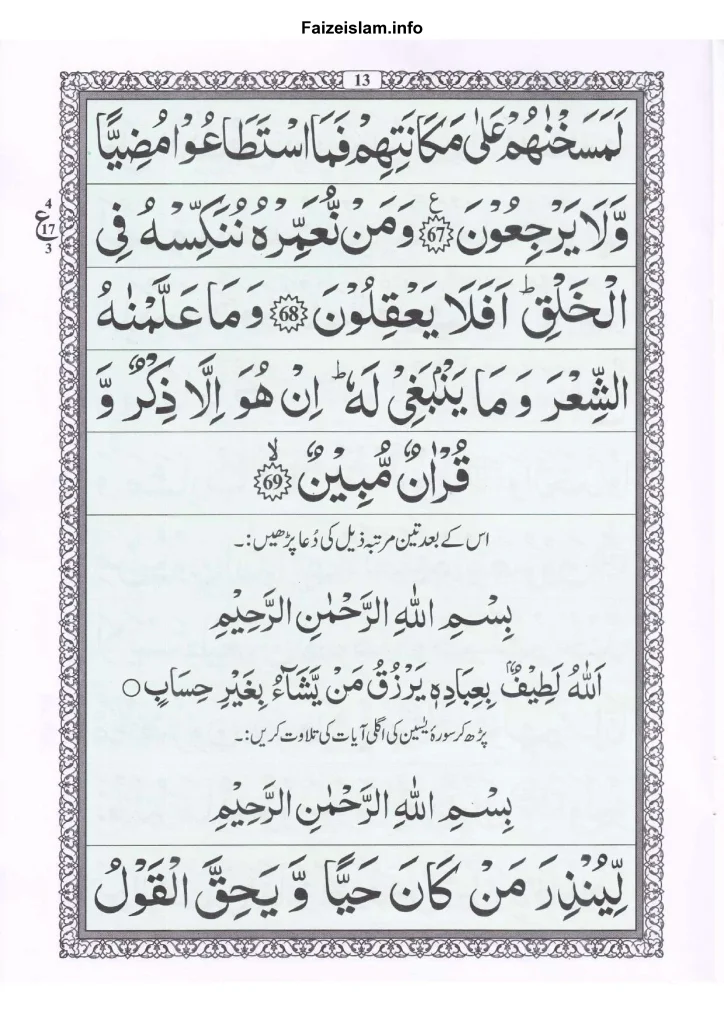
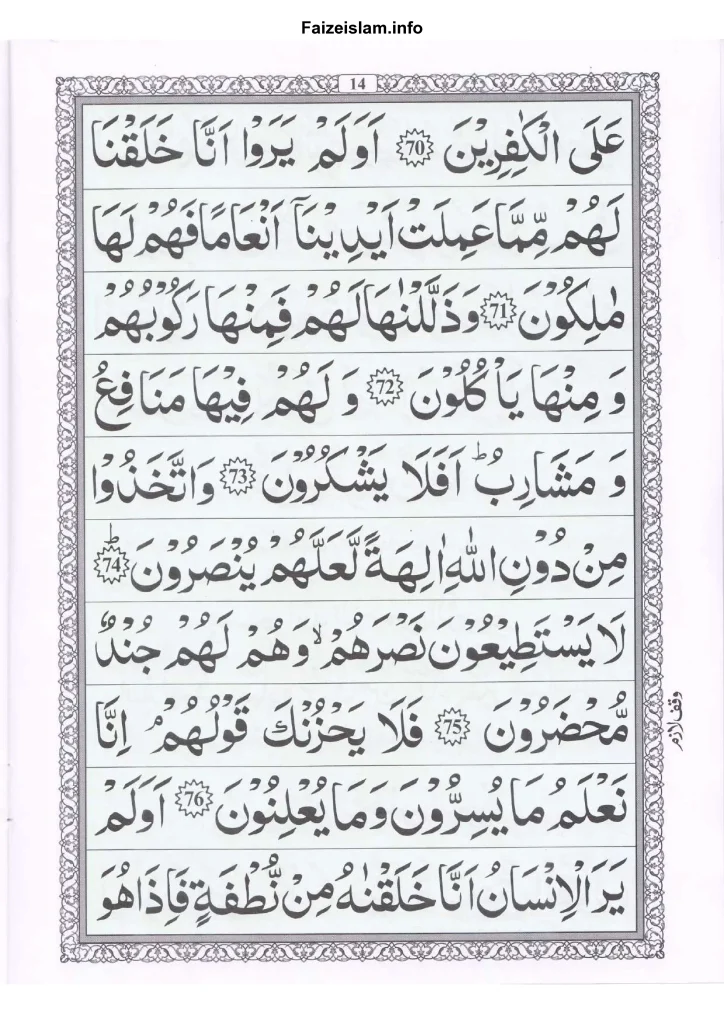
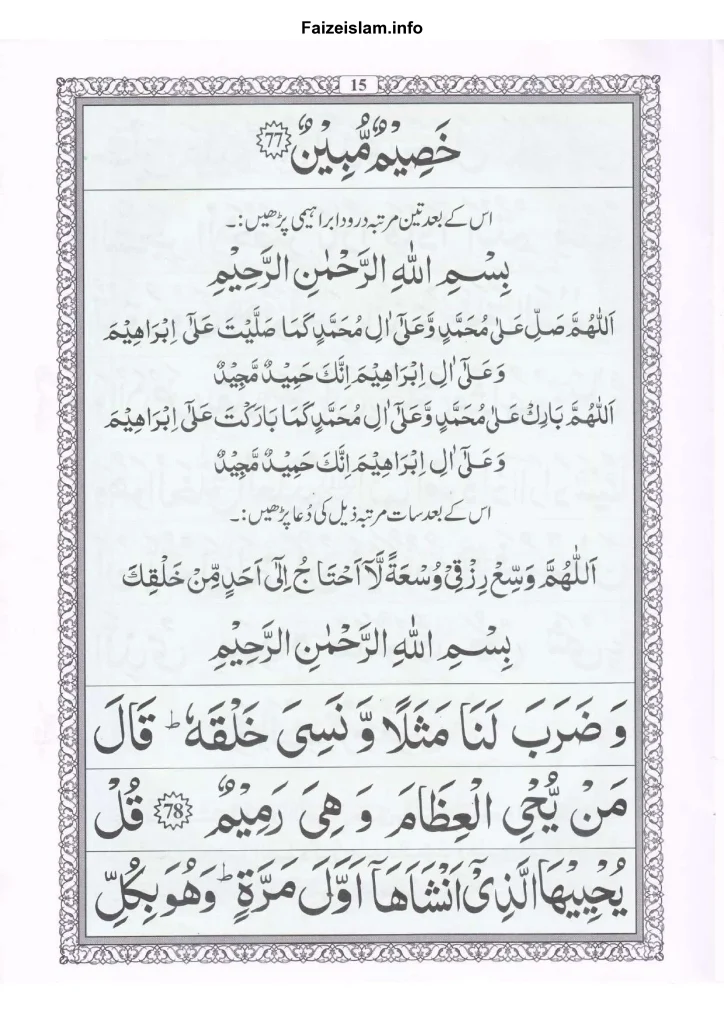
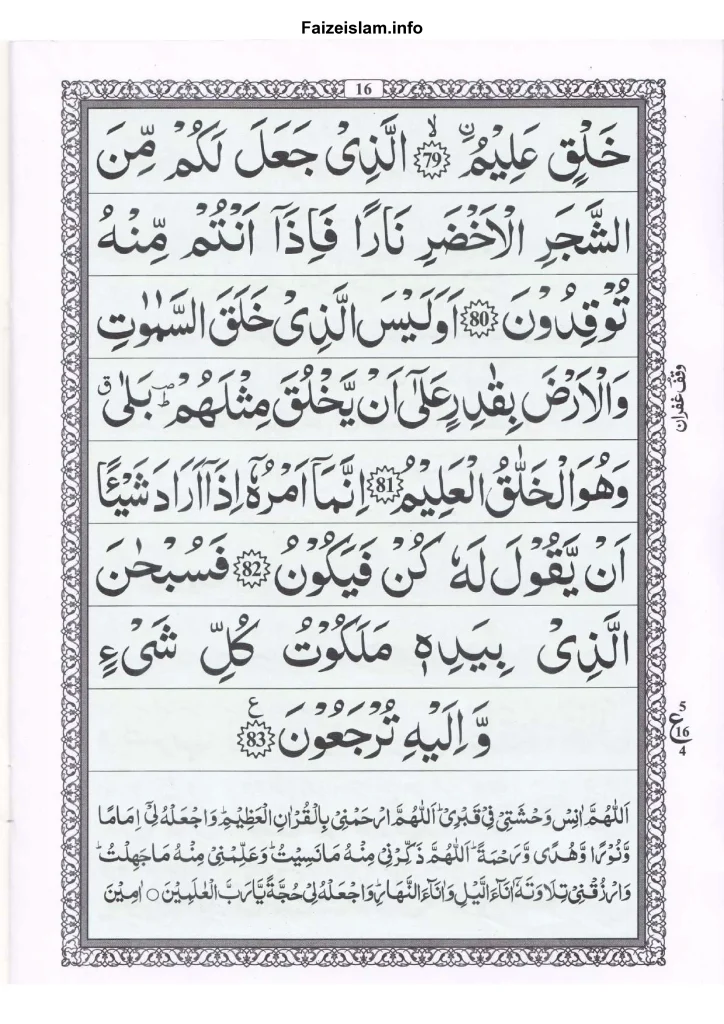
“Surah Yaseen ka wird-e-khas” is the title commonly given to a particular way of reciting Surah Yaseen, taught in devotional booklets published in Pakistan, India and elsewhere, including editions attributed to Hakeem Haji Ali Zia Ahmad Sabri. These booklets present Surah Yaseen along with a set order of recitation, a stated intention and closing supplications.
Two things are important to understand:
- It is voluntary. It is a devotional practice (amal), not an obligation. Only acts like the five daily prayers are fard.
- Details vary. Different booklets and spiritual lineages describe slightly different steps and numbers. If you follow a specific booklet or a teacher, follow their instructions exactly, and ask a qualified scholar if anything is unclear.
Why Surah Yaseen?
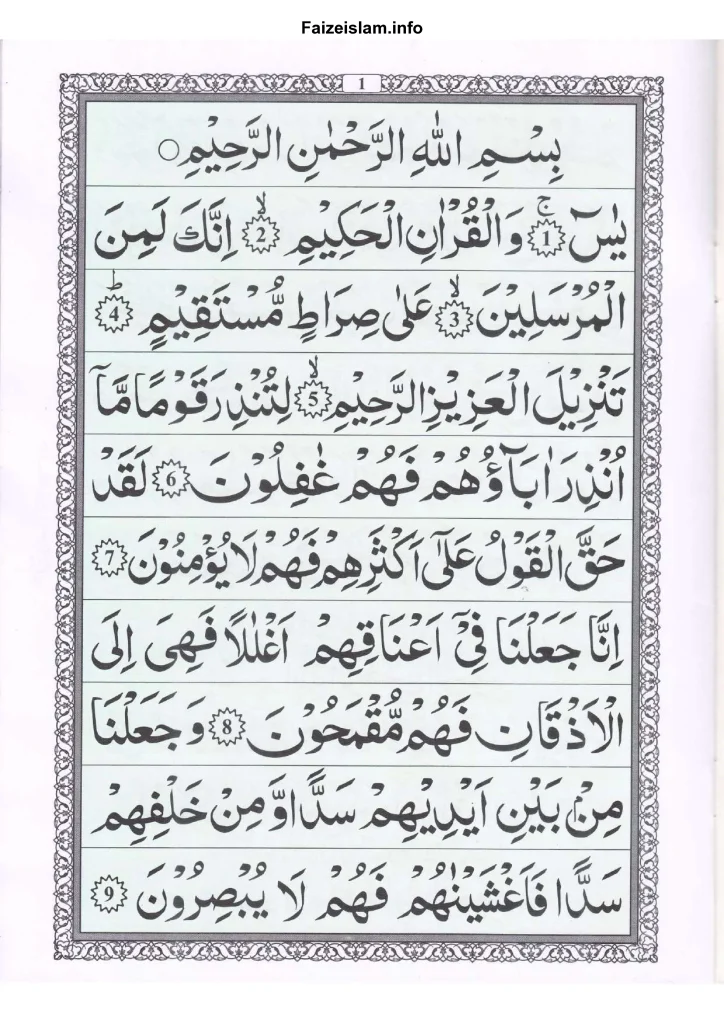
Surah Yaseen is the 36th chapter of the Quran. It is a Makkan surah of 83 verses, located mostly in Juz 23. Its main themes are the oneness of Allah, the truth of the Prophet’s message, the signs of Allah in creation, and the certainty of the Hereafter. This is why it is often called the “Heart of the Quran.”
A note on sources: the narration “everything has a heart, and the heart of the Quran is Yaseen” is reported in Jami’ at-Tirmidhi (no. 2887). Hadith scholars have differed on how to grade it, so it is best presented as a widely cited narration rather than a decisive proof. The narration about reciting Yaseen over a person nearing death (Sunan Abi Dawud, no. 3121) has also been graded differently, though it is a long-standing practice in many communities. Being honest about this is part of respecting the reader.
Etiquette (Adab) Before You Begin
These manners apply to all Quran recitation and are widely agreed upon:
- Sincere intention. Recite to please Allah, not only to obtain a result.
- Cleanliness. Make wudu and choose a clean, quiet place.
- Begin properly. Say the Isti’adha and Bismillah.
- Sit respectfully, facing the qibla if possible.
- Recite with tajweed and reflection. Read the translation alongside the Arabic so you understand what you recite.
- Prefer consistency over quantity. A small daily portion is better than an occasional long session.
- Close with praise, salawat and dua.
A General Structure for a Daily Yaseen Wird
The exact steps of a specific booklet may differ, but most awrad follow this simple structure:
- Set your intention for the sake of Allah.
- Make wudu and sit in a calm place.
- Begin with Isti’adha, Bismillah and salawat upon the Prophet ﷺ.
- Recite Surah Yaseen slowly, with correct pronunciation.
- Close with praise of Allah, salawat and a heartfelt dua for yourself, your family and the Muslim ummah.
- Repeat at the same time daily. Many people choose after Fajr or before sleeping, but any pure and peaceful time is fine.
If your booklet prescribes extra steps, such as a particular opening dua, a fixed number of recitations, or specific verses repeated, add those exactly as your source instructs. Do not add numbers or promises you cannot trace to a reliable source.
Read Surah Yaseen With Translation
Understanding the meaning makes the wird far more powerful. You can read the complete Surah with Arabic, transliteration, English and Urdu translation, and listen to the audio, on our Surah Yaseen page.
Benefits: What Can Be Said Responsibly
Scholars highlight the spiritual value of engaging with the Quran: peace of heart, reflection, closeness to Allah, and reward for every letter recited (Jami’ at-Tirmidhi, no. 2910). Beyond this, be careful. Many websites attach specific numbers to Surah Yaseen, such as “recite it 41 times and any wish will be granted,” without any reliable chain of narration. Such claims should not be presented as established fact. Results belong to Allah alone, and our duty is sincere worship.
Common Mistakes to Avoid
- Treating the wird like a magic formula instead of an act of worship.
- Skipping etiquette such as wudu, respect and presence of heart.
- Trusting unsourced numbers and guaranteed results.
- Neglecting the obligatory prayers while focusing on optional practices. Fard always comes first.
- Reciting without ever learning the meaning.
Frequently Asked Questions
What does wird-e-khas mean? It means a special or specific routine of recitation. For Surah Yaseen, it refers to a defined method of reading it, as taught in certain booklets and traditions.
Is Surah Yaseen ka wird-e-khas compulsory? No. It is a voluntary devotional practice. Only obligatory acts, such as the five daily prayers, are fard.
Who compiled Surah Yaseen ka wird-e-khas? Several booklets carry this title. One commonly found edition is attributed to Hakeem Haji Ali Zia Ahmad Sabri. Always check the compiler and publisher of the copy you use.
How many times should I recite Surah Yaseen in the wird? This depends on the booklet or teacher you follow. Avoid unsourced numbers. If your source prescribes a number, follow that source.
What is the best time to recite Surah Yaseen? Many people choose after Fajr or before sleeping, but any calm, pure time is suitable.
Can women recite Surah Yaseen during menstruation? Scholars of different schools of thought have different rulings on this. Please ask a qualified scholar of your school.
Where can I read Surah Yaseen with translation? You can read it with Arabic, transliteration, English and Urdu on our Surah Yaseen page.
Conclusion
Surah Yaseen ka wird-e-khas is best approached as what it is: a devotional routine built on consistency, sincerity and respect for the Quran. Learn the method from a reliable source, follow the etiquette, keep the obligatory acts first, and avoid exaggerated claims. May Allah make the Quran the spring of our hearts and allow us to recite it with understanding.