
Daily Duas in Islam | Complete Guide with Arabic, Translation, Transliteration & Authentic Hadiths
Dua is one of the most powerful forms of worship in Islam. It is the direct communication between a servant and Allah, through which we ask for guidance, protection, forgiveness, mercy, and blessings. The Prophet Muhammad ﷺ said:
“Dua is the essence of worship.” — (Sunan Tirmidhi)
On this page of Faiz e Islam, you will find a carefully curated collection of authentic daily duas from the Quran and Sunnah. Each dua is presented with its original Arabic text, easy Roman transliteration, accurate English translation, and the authentic Hadith reference where available. Whether you are looking for duas for morning and evening, protection from evil, rizq, good health, forgiveness, or guidance — everything is organized clearly to help you make dua with confidence and sincerity.
Founder of Faiz e Islam
This comprehensive collection of authentic daily duas has been carefully compiled to help Muslims, especially beginners and new reverts, learn and recite duas with correct meaning and pronunciation. All references are taken from the Holy Quran and authentic Sunnah.
40+ Daily Duas in Islam
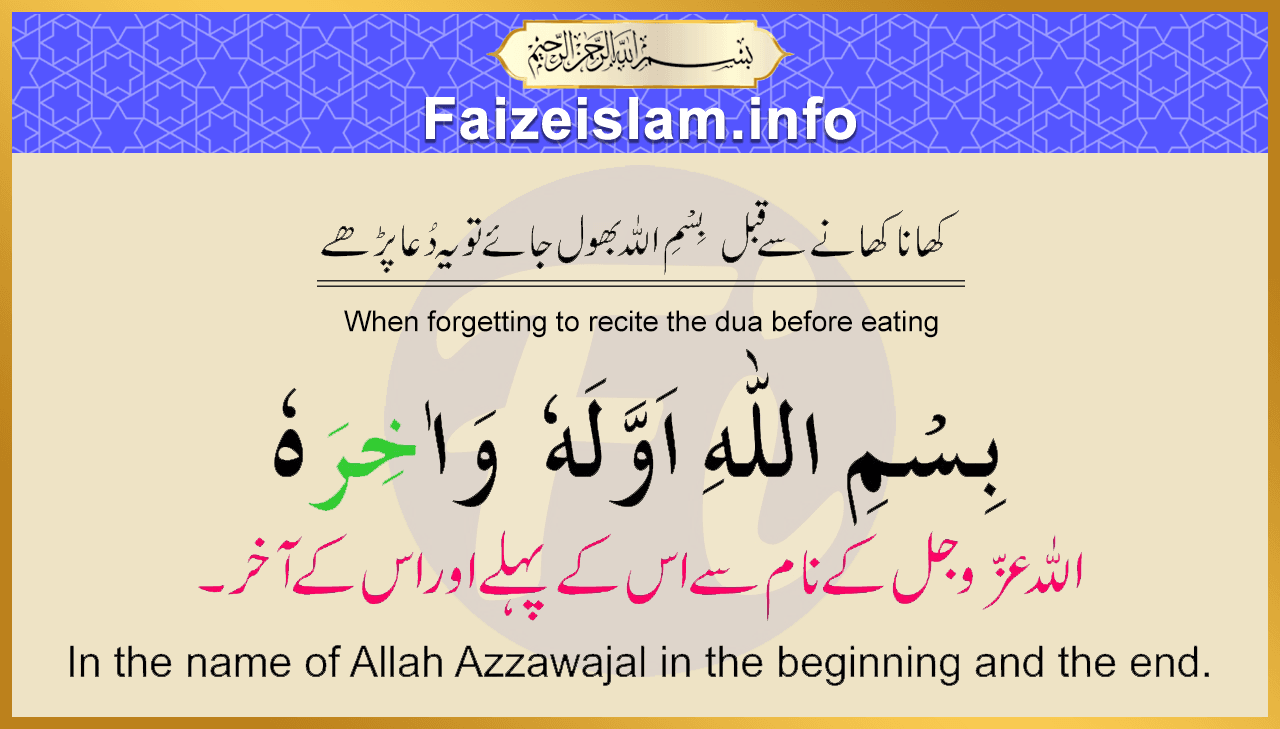
Dua Forget Before Eating
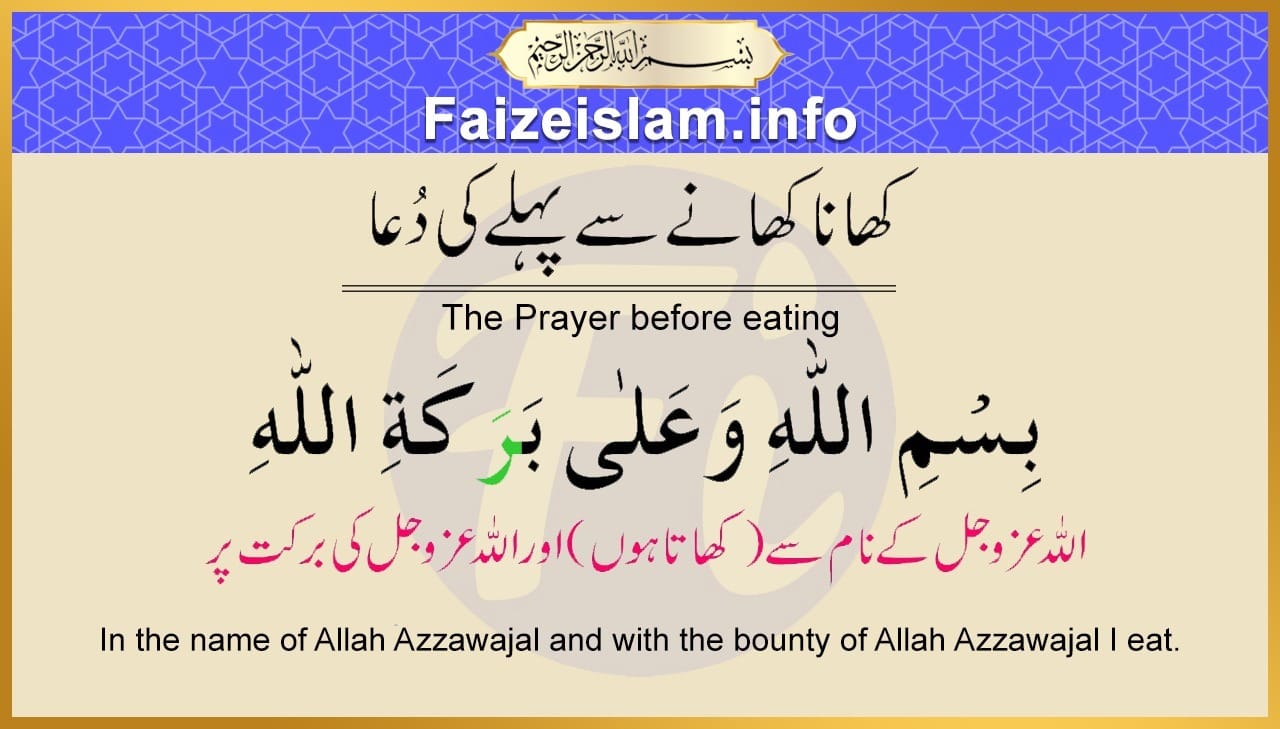
Dua Before Eating
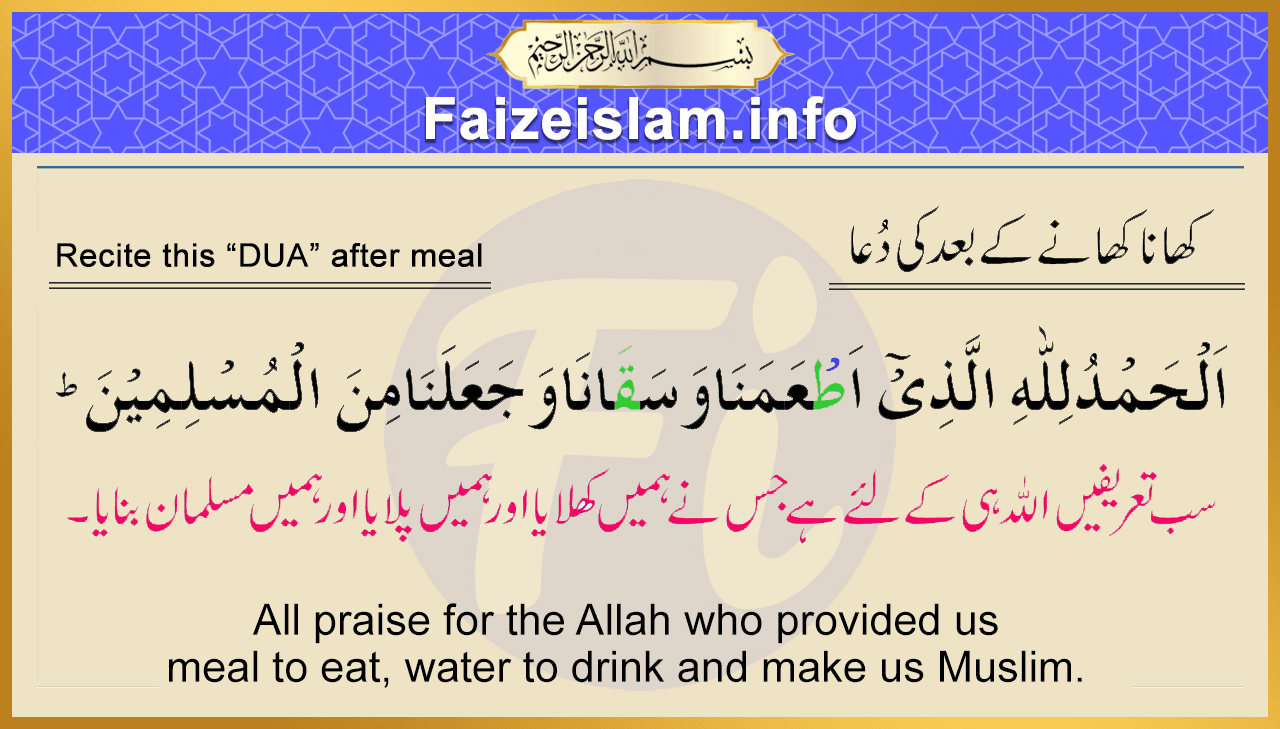
Dua After Eating

Dua Before Entering the Toilet
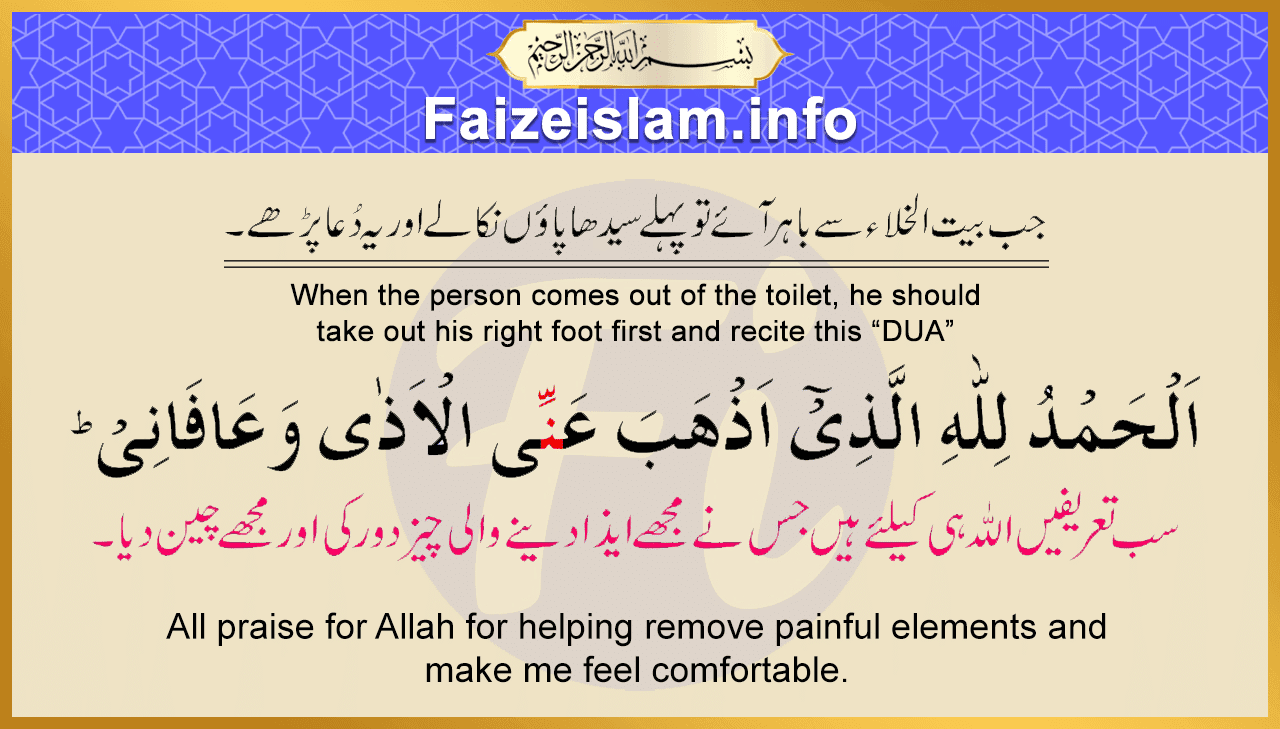
Dua After Exiting the Toilet
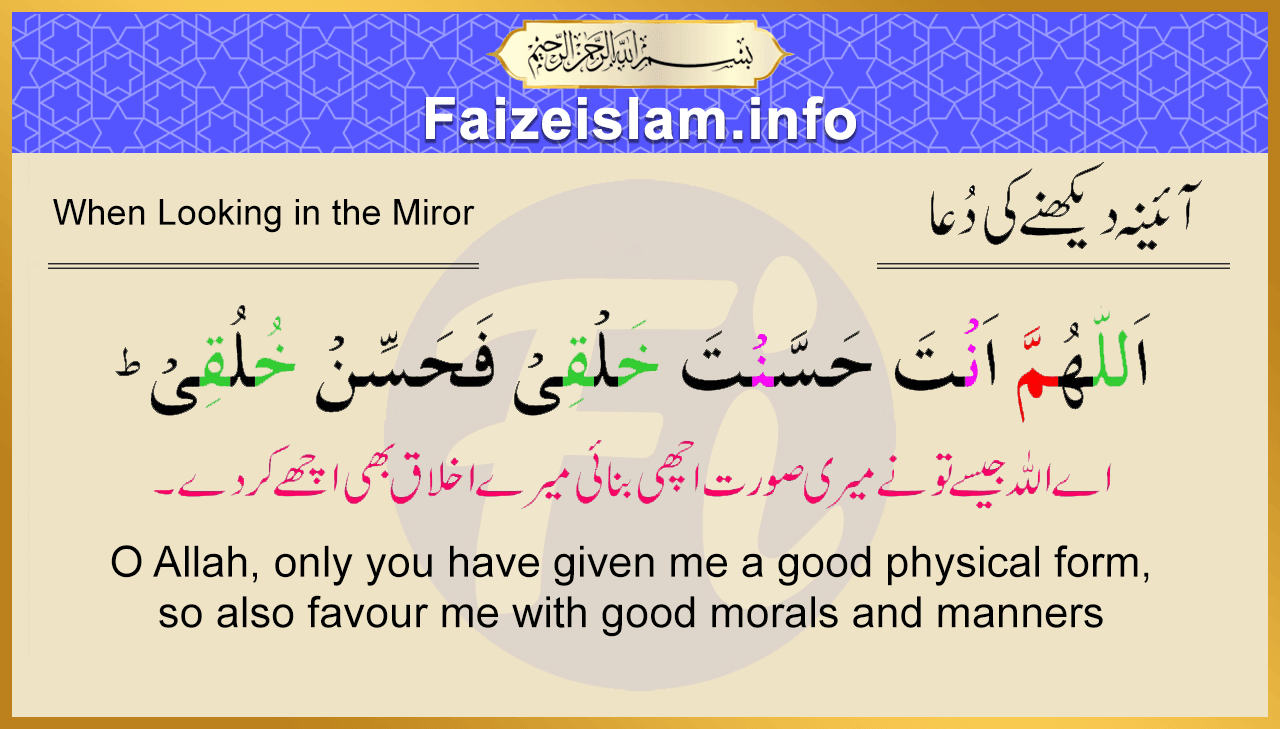
Dua When Looking in the Mirror
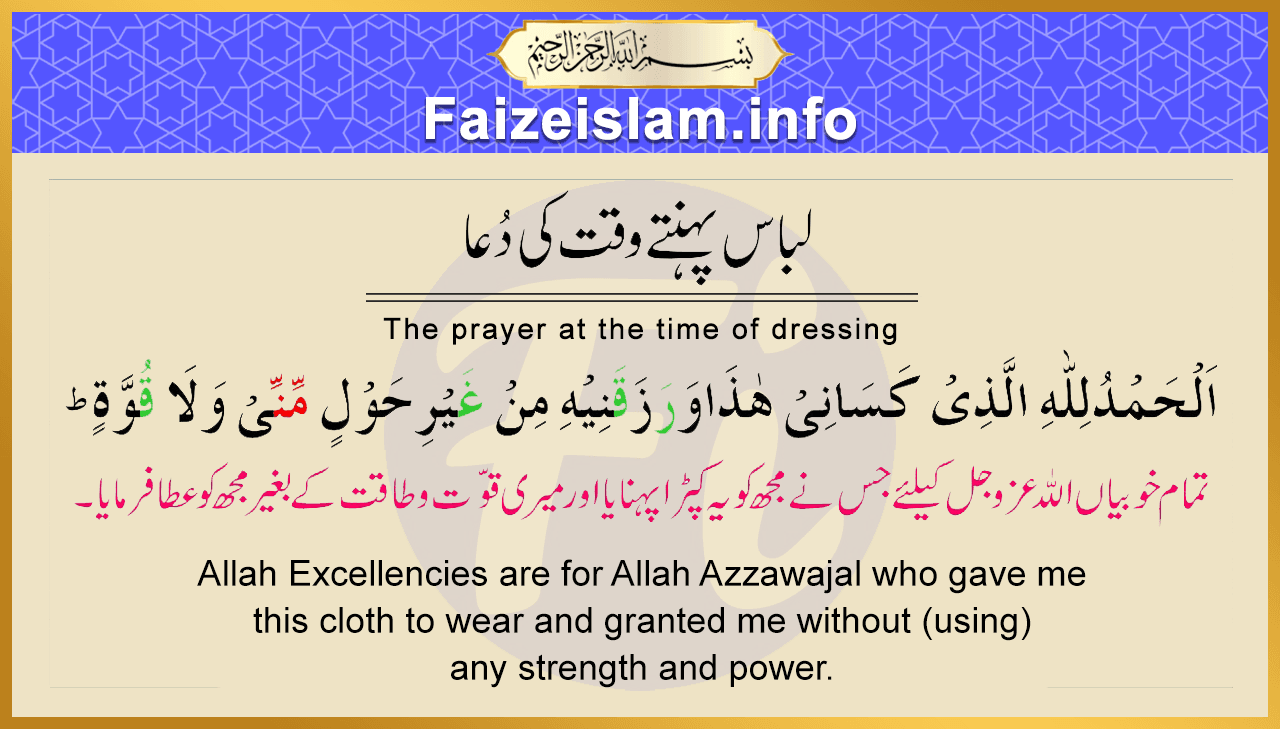
Dua at the Time of Dressing

Dua for Iftar
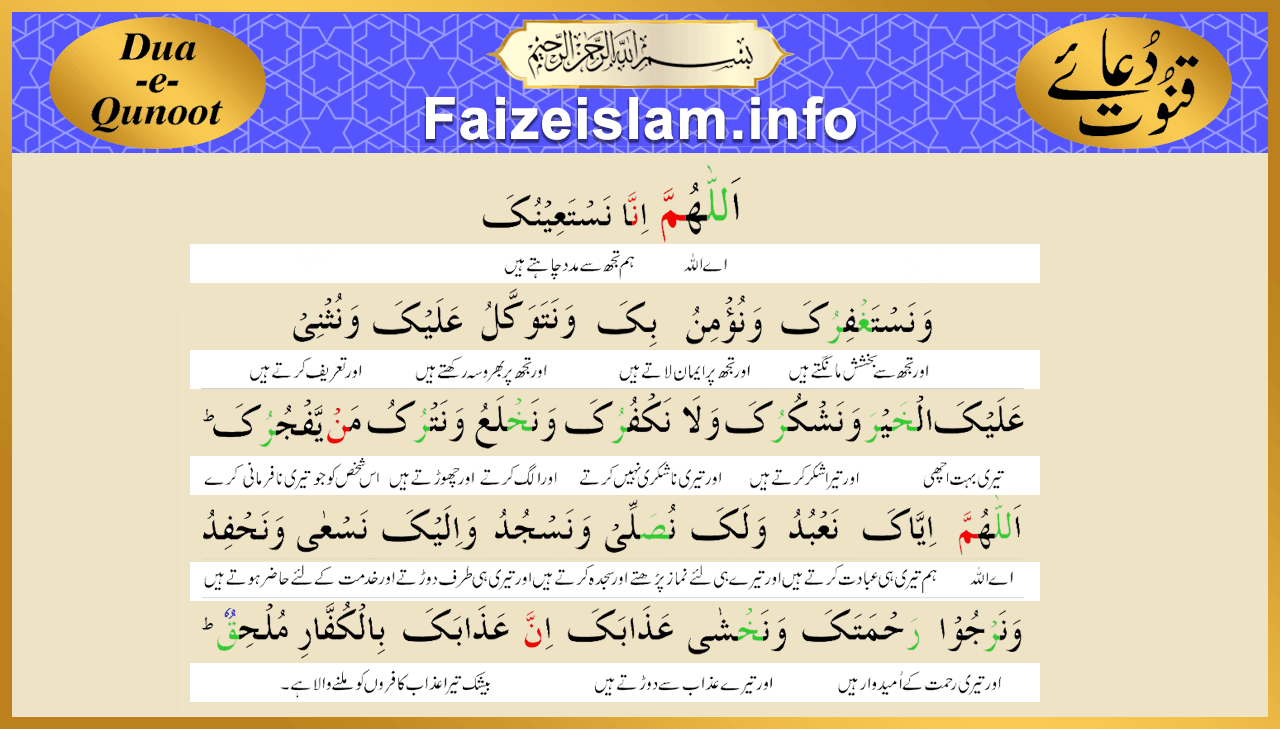
Dua-E-Qunoot
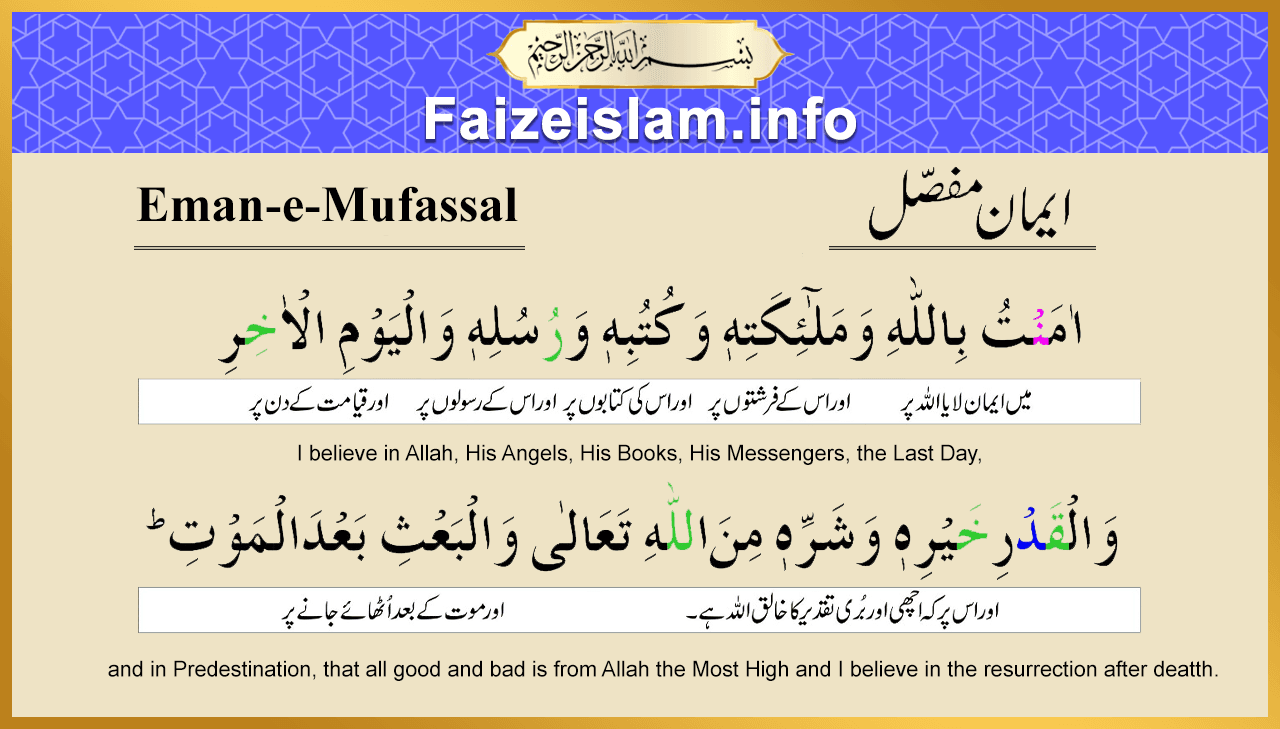
Emaan-E-Mufassal
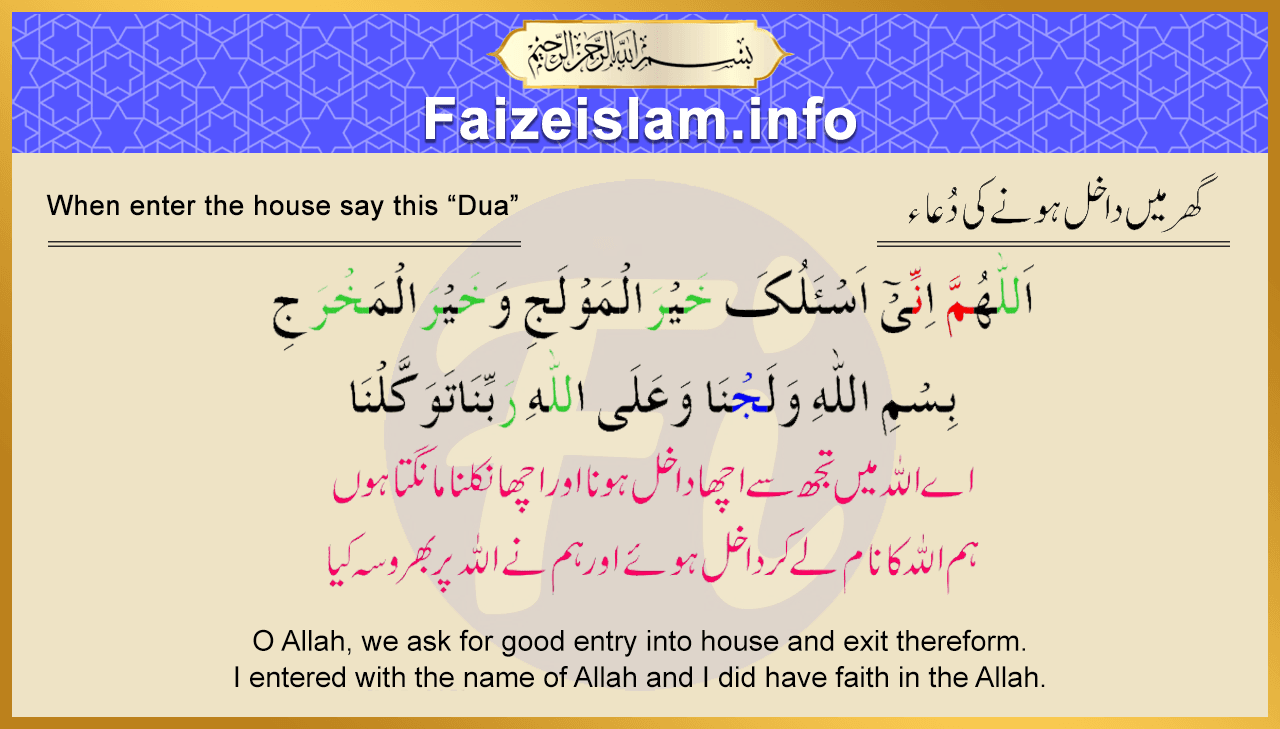
Dua for Entering the Home
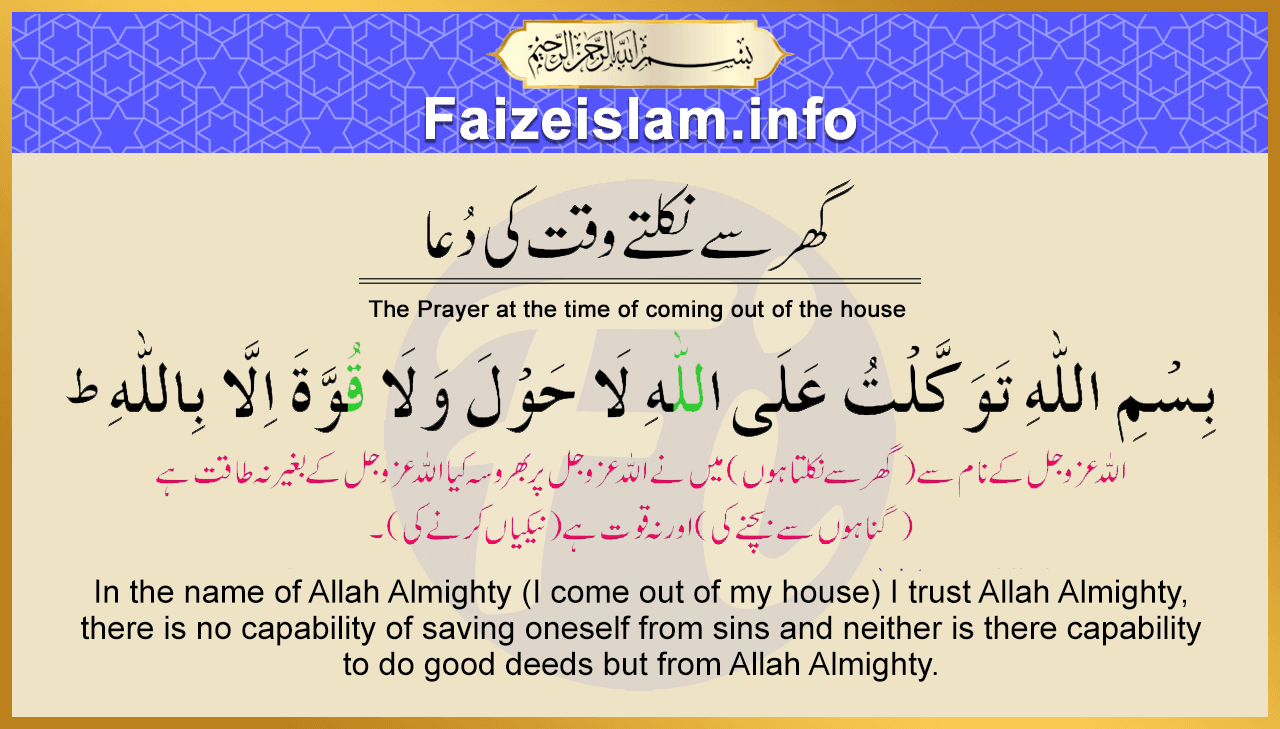
Dua at the time of Leaving Home
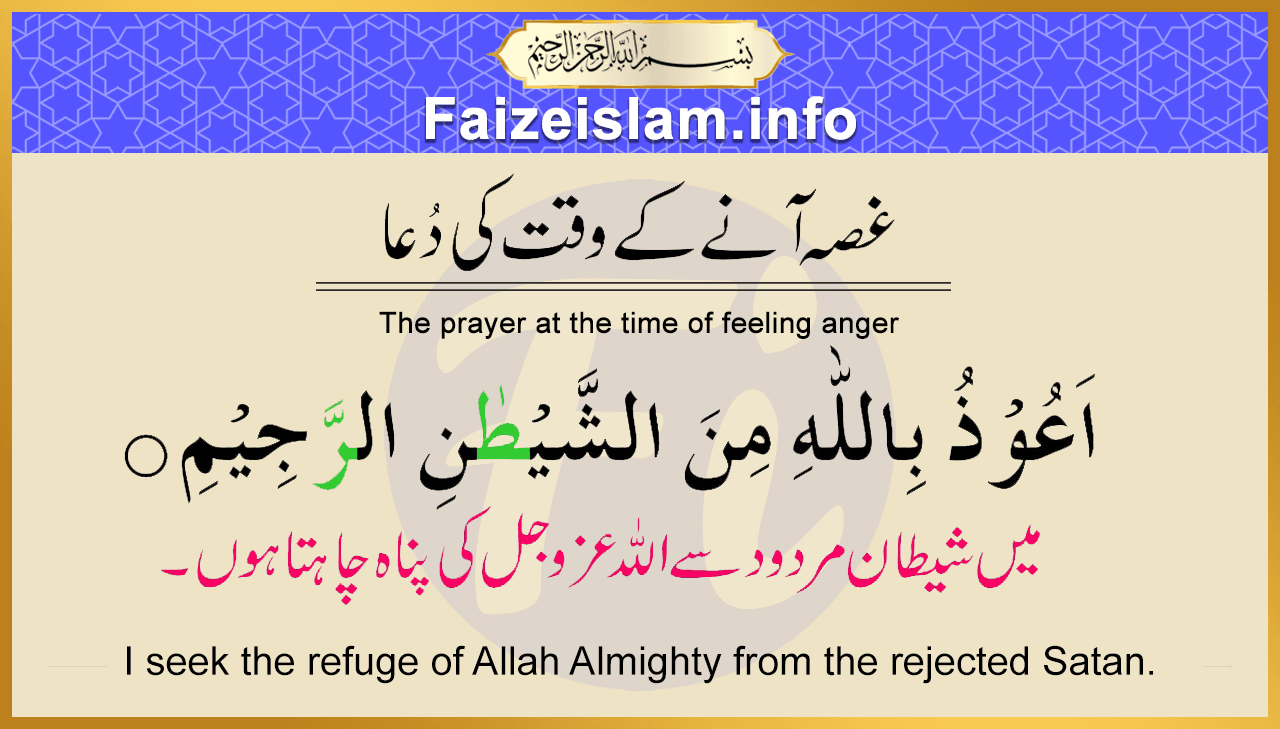
Dua for Controlling Anger
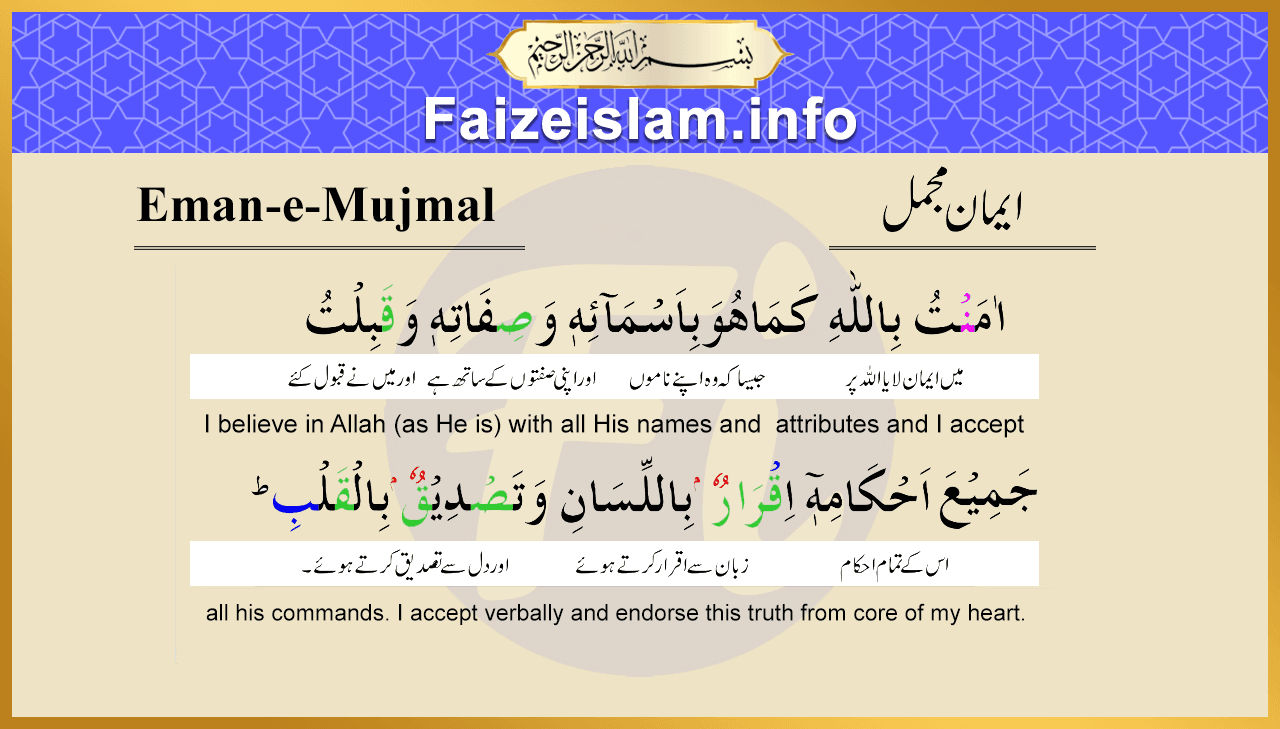
Eman-E-Mujmal
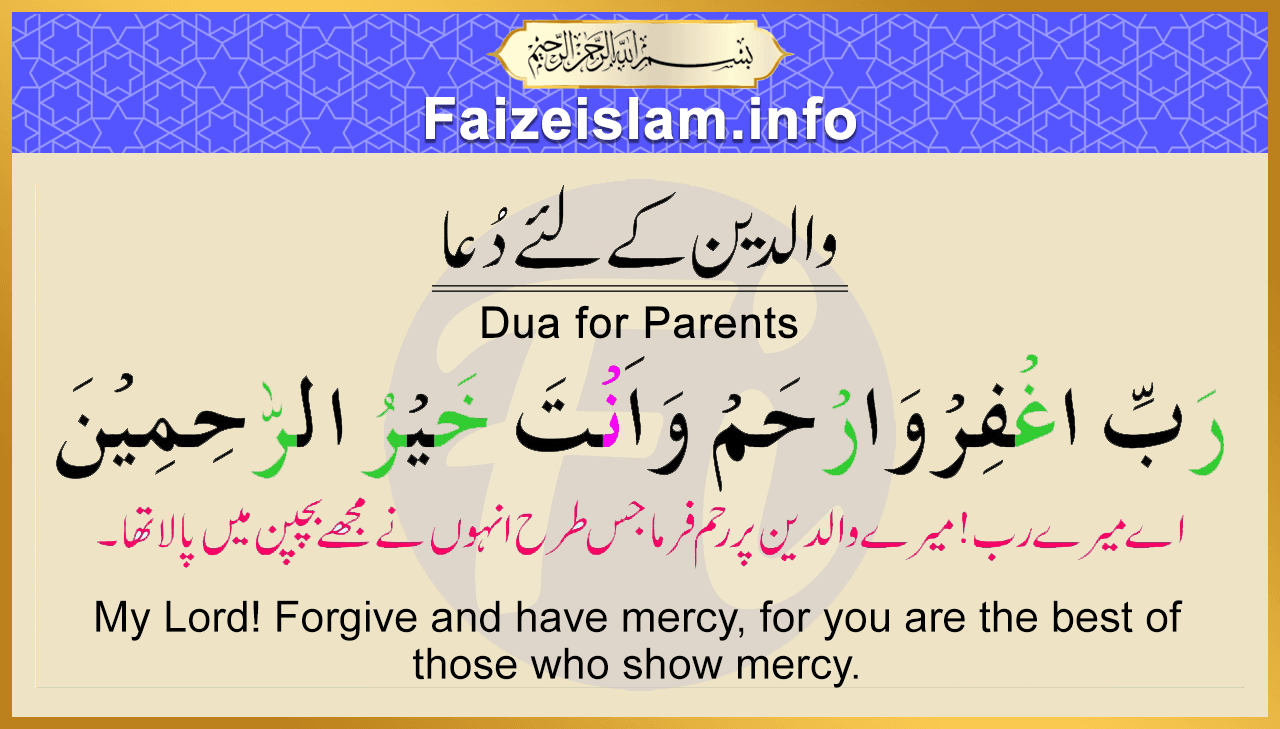
Dua for Parents

Dua for Favor Thanking

Dua for Smiling Muslim

Dua for Increasing the Knowledge

Dua When Entering the Mosque
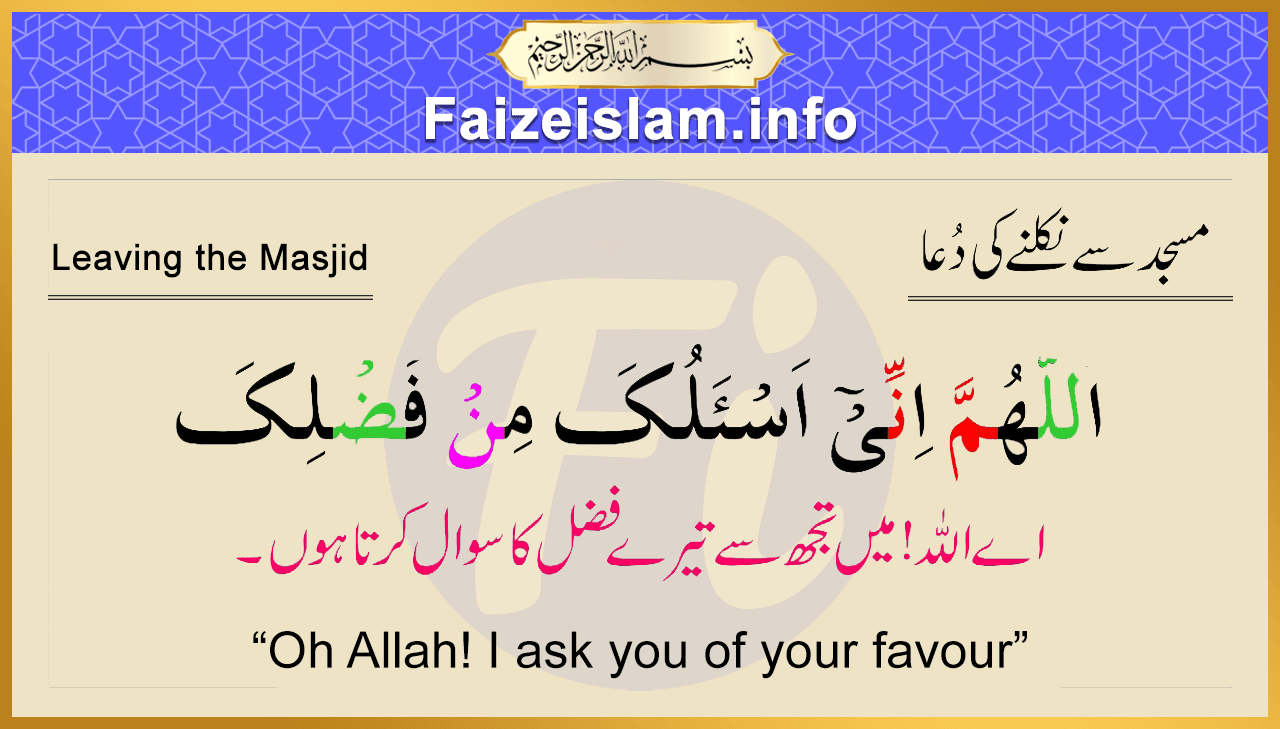
Dua When Leaving the Mosque
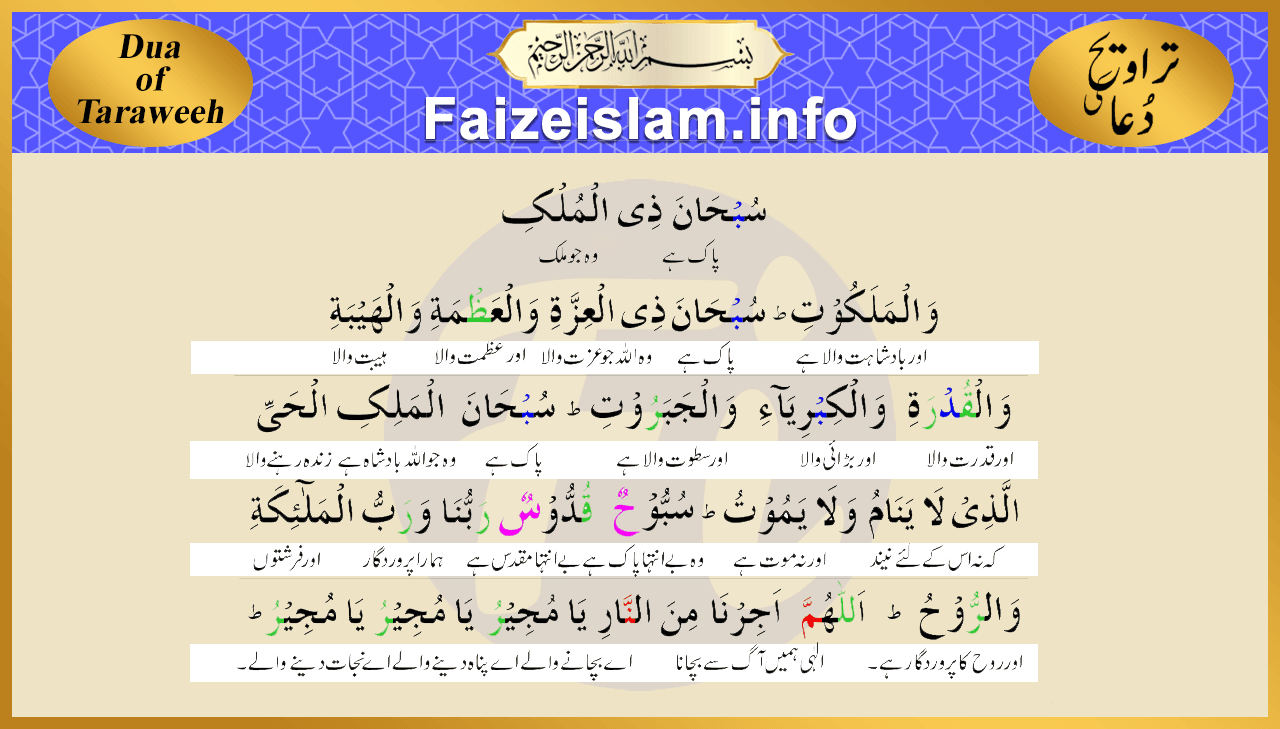
Dua of Taraweeh
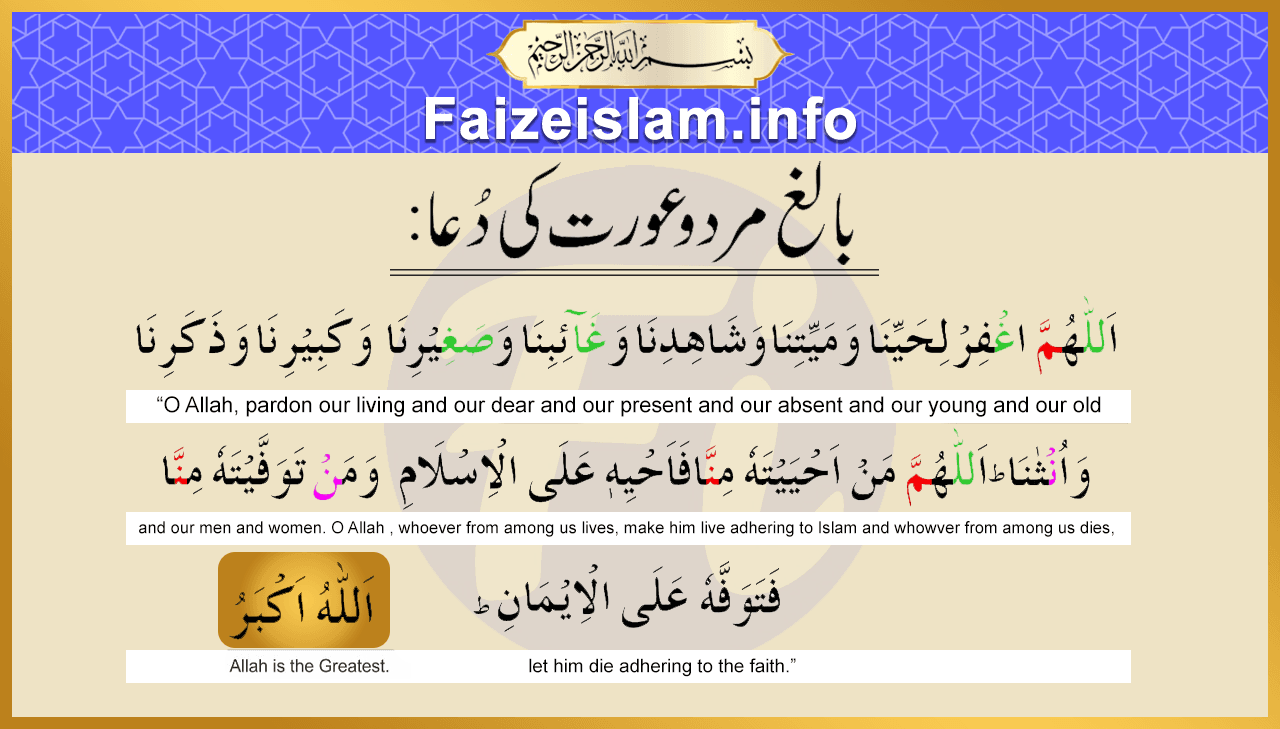
Dua for Janazah (Funeral) of an Adult
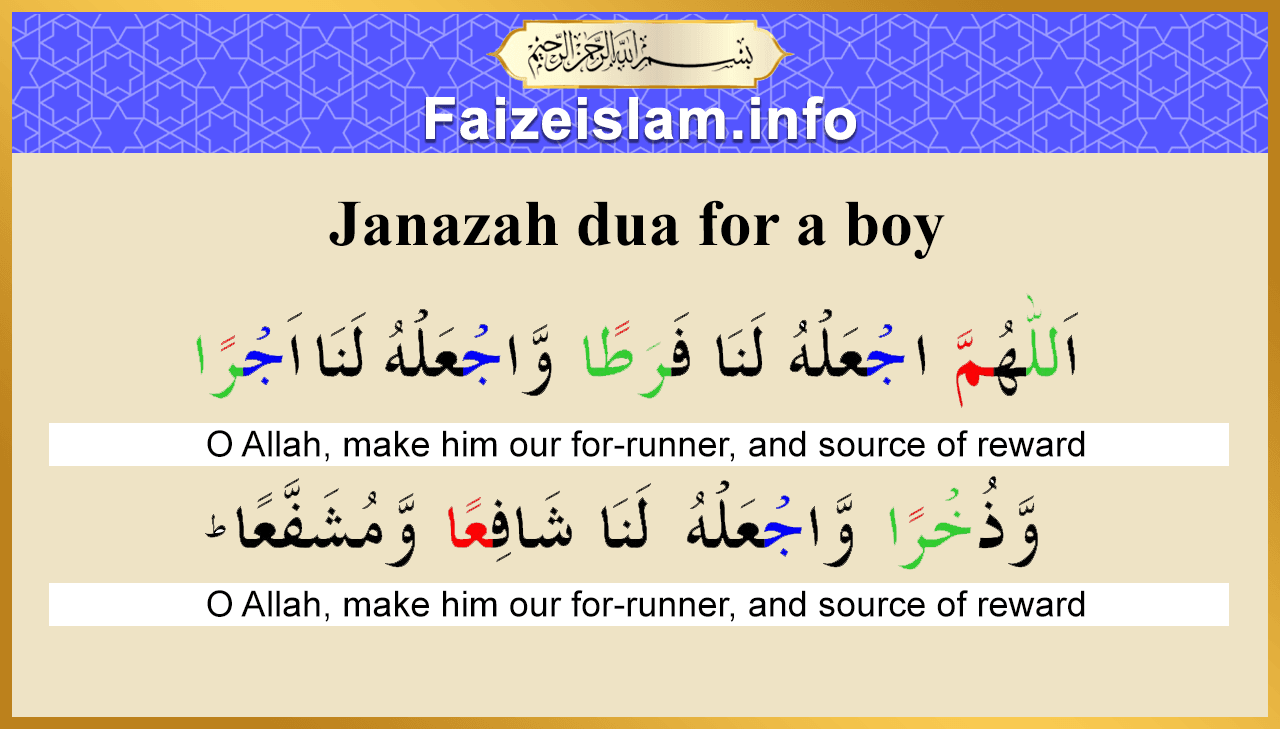
Dua for Janazah (Funeral) of a Boy
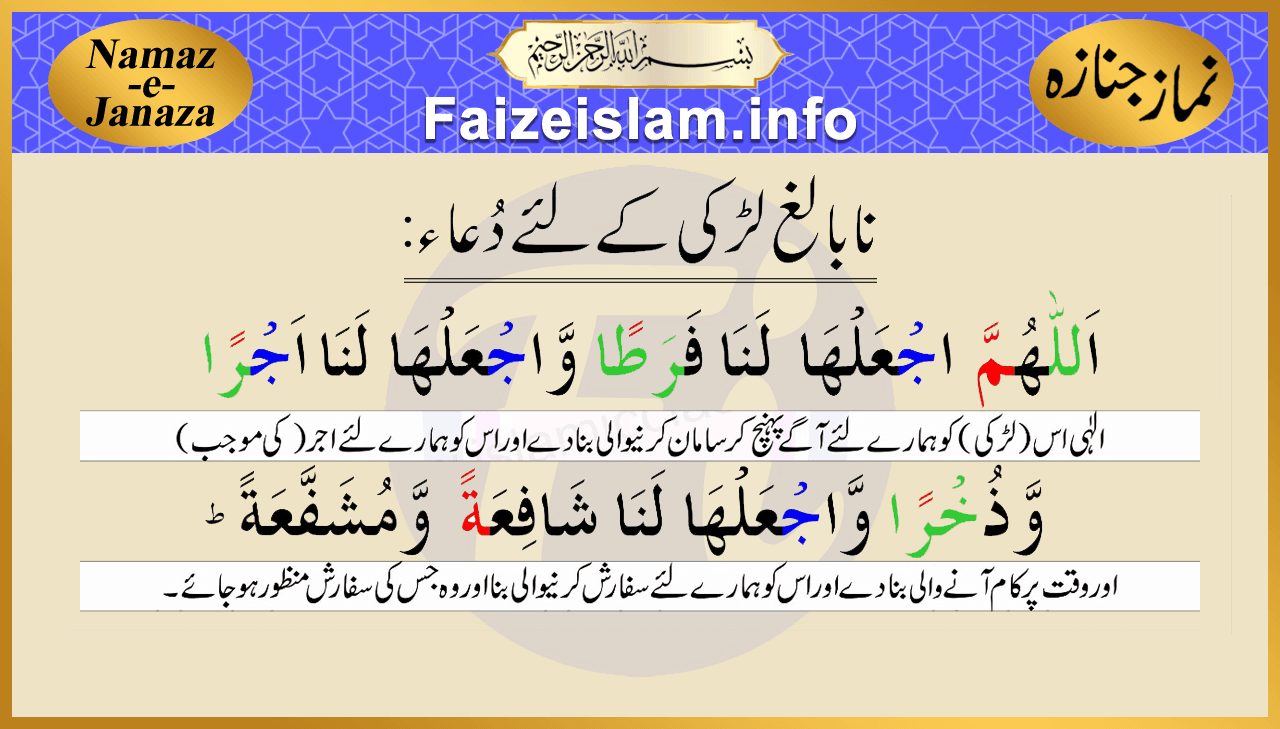
Dua for Janazah (Funeral) of a Girl

Dua Before Sneezing
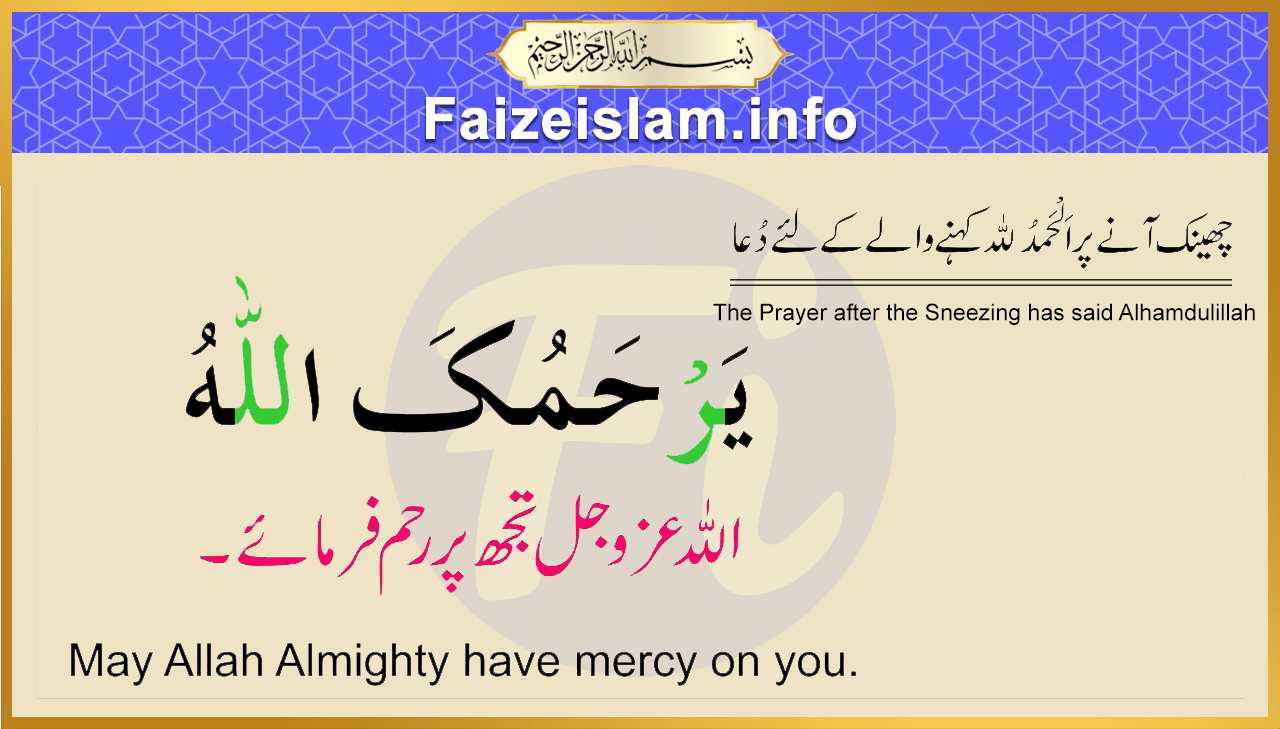
Dua After Sneezing
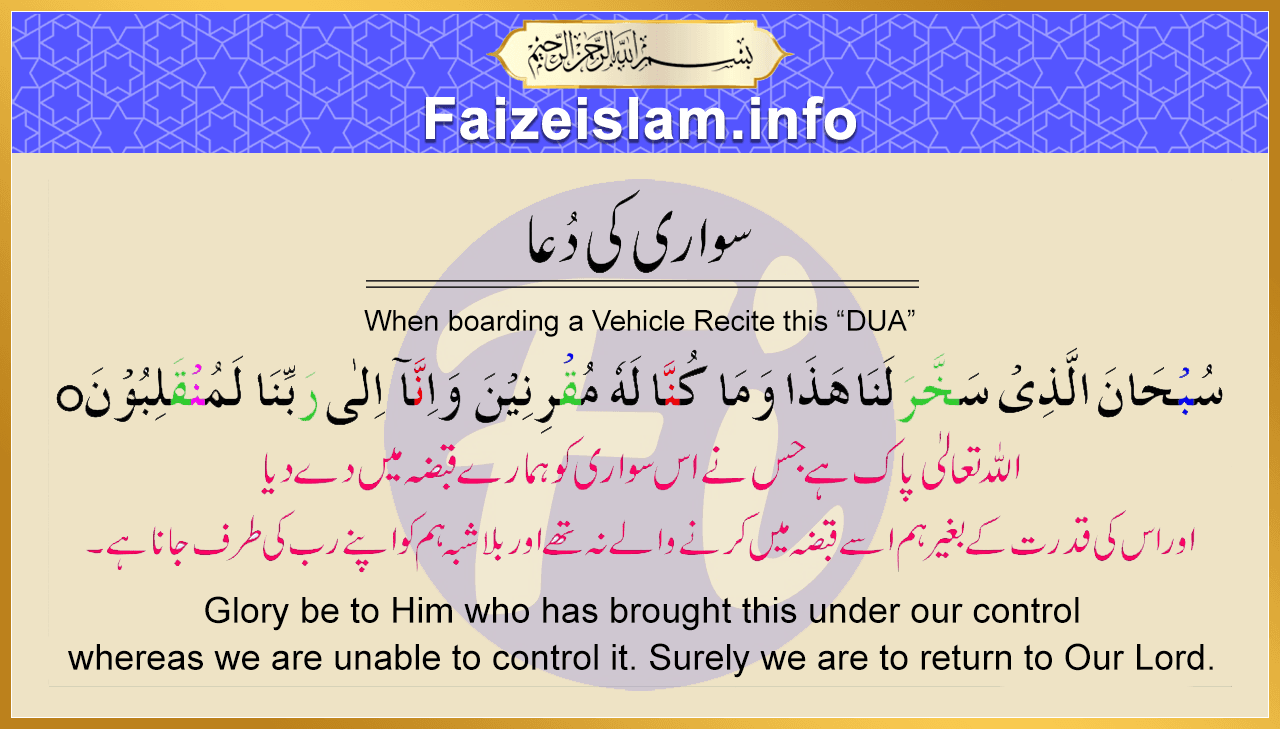
Dua for Ride
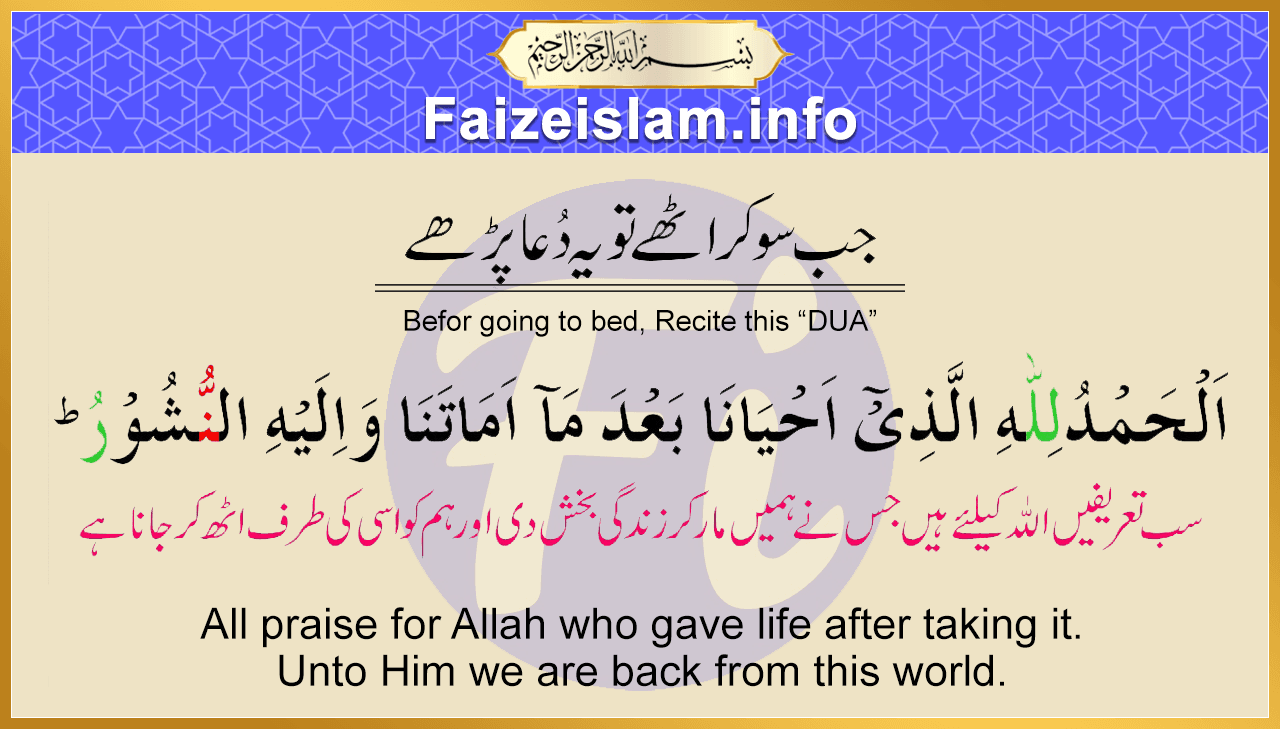
Dua After Sleeping

Dua Before Sleeping
Last Updated: 27 March 2026
Importance of Dua in Islam
Dua is the most powerful weapon of a believer. It is a direct conversation with Allah and one of the greatest forms of worship. Allah loves when His servants call upon Him with humility and sincerity.
The Prophet Muhammad ﷺ said:
«الدُّعَاءُ مُخُّ الْعِبَادَةِ»
English Translation: “Dua is the essence (core) of worship.”
— Sunan Tirmidhi (Hadith 3371)
Another Hadith states:
«لَا يَرُدُّ الْقَدَرَ إِلَّا الدُّعَاءُ»
English Translation: “Nothing turns back divine decree except dua.”
— Sunan Tirmidhi (Hadith 139)
Through dua, we can ask for guidance, protection, forgiveness, rizq, good health, success in this world and the Hereafter, and removal of difficulties.
Etiquettes (Adab) of Making Dua
To have your dua accepted, it is important to follow the proper manners taught by the Prophet ﷺ:
- Begin with Praise of Allah – Start by praising Allah and sending Salawat upon the Prophet ﷺ.
- Make Dua with Full Confidence – Believe that Allah will answer your prayer.
- Be Humble and Sincere – Raise your hands and supplicate with a humble heart.
- Ask with Persistence – Repeat your dua multiple times without getting bored.
- Avoid Sinful Requests – Do not ask for anything that is haram.
- Make Dua for Others – Praying for your fellow Muslims increases the chances of acceptance.
- End with Ameen – Conclude your supplication with “Ameen”.
Best Times for Dua (When Duas Are Most Likely Accepted)
Certain times and situations have special blessings for dua:
- The last third of the night (Tahajjud time)
- During Sajdah (prostration)
- Between the Adhan and Iqamah
- While it is raining
- On Friday, especially between Asr and Maghrib
- When breaking the fast (during Ramadan)
- While traveling
- When your parents are pleased with you
- After obligatory prayers
How to Make Dua Properly
- Face the Qibla
- Perform Wudu if possible
- Raise your hands to the level of your shoulders or chest
- Start with “Bismillah”, praise Allah, and send Salawat upon the Prophet ﷺ
- Ask for your needs clearly and with full conviction
- End with Salawat and “Ameen”
Categories of Authentic Daily Duas
Morning and Evening Duas
- Dua for protection from evil
- Dua for entering and leaving the house
- Dua when waking up and before sleeping
Duas for Protection
- Protection from evil eye, black magic, and harm
- Protection from anxiety, depression, and fear
Duas for Rizq and Sustenance
- Dua for increase in provision and barakah
Duas for Forgiveness and Mercy
- Dua for repentance and seeking Allah’s forgiveness
Duas for Health and Healing
- Dua for cure from sickness
Duas for Guidance and Success
- Dua for making the right decisions
(You can keep your existing dua list here or reorganize it under these categories with Arabic + Transliteration + Translation + Reference for each dua.)
Common Mistakes People Make While Making Dua
- Making dua without concentration or while being distracted
- Asking for something haram
- Giving up too quickly if the dua is not immediately answered
- Not making dua for others
- Making dua in a state of anger or impatience
Frequently Asked Questions about Dua
All duas, Quranic verses, and Hadith references on this page are taken from authentic Islamic sources including the Holy Quran, Sahih Bukhari, Sahih Muslim, Sunan Tirmidhi, and other recognized books of Hadith. We have made every effort to ensure accuracy and reliability. However, for any specific religious rulings or personal circumstances, we strongly recommend consulting a qualified local Islamic scholar or knowledgeable Imam.
May Allah accept our efforts and answer the duas of everyone who visits this page with sincerity. Ameen.